Civic Fieldwork Program Trains Urban Residents in Modern Rodent Mitigation
Municipal educational initiatives in the American capital are enlisting local volunteers for nocturnal alleyway expeditions focused on urban ecology and pest control. The hands-on training framework shifts responsibility for sanitation management from municipal agencies directly to citizenry participation.
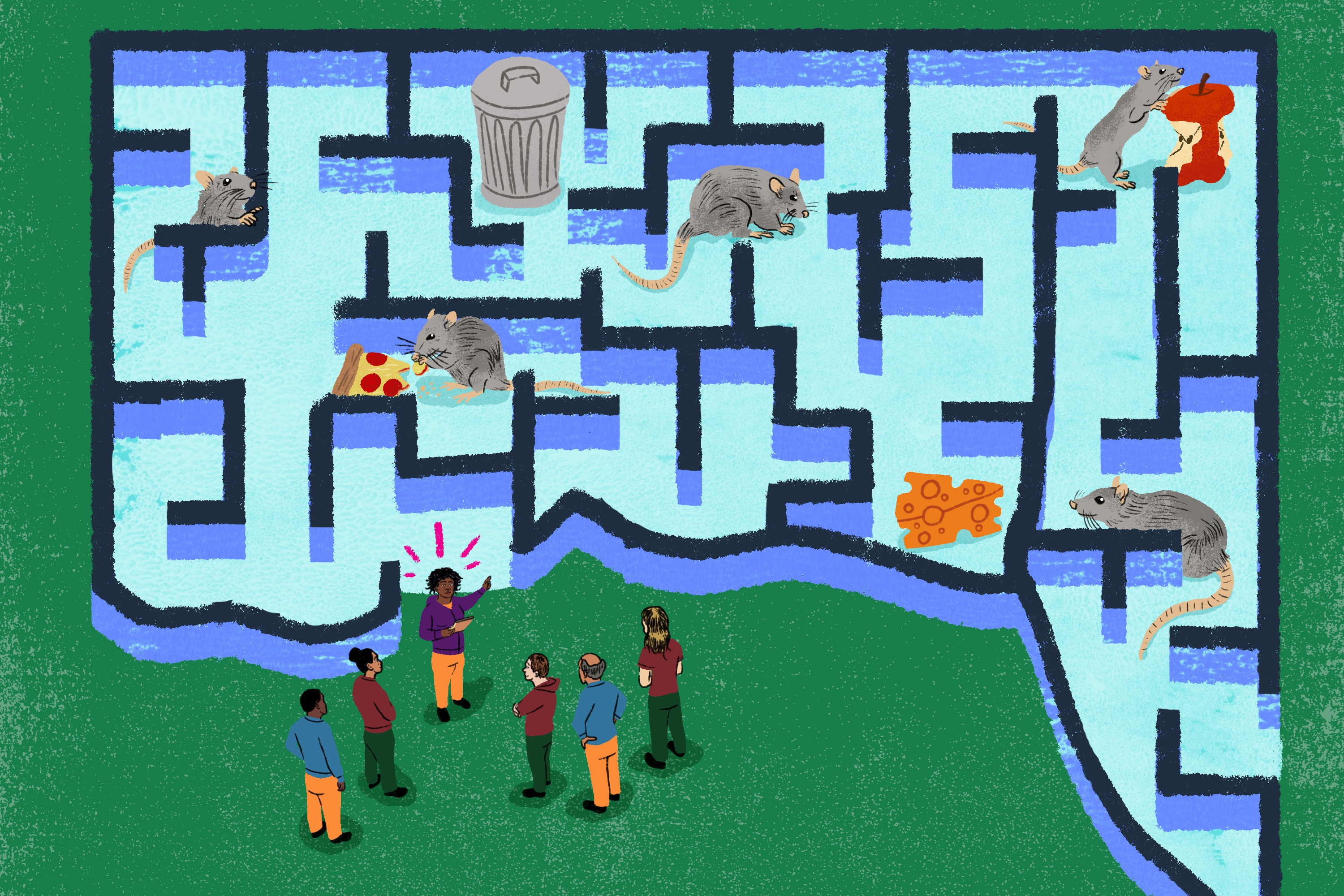
Civic authorities in Washington have launched an unconventional urban ecology initiative, recruiting ordinary residents for nocturnal field seminars designed to study and manage local rodent populations. Participants traverse notoriously neglected alleyways alongside municipal pest control specialists, learning the behavioral patterns of urban wildlife and identifying structural vulnerabilities in neighborhood waste management. This grassroots approach redefines pest remediation as an exercise in community education rather than a purely mechanical municipal service. The underlying tension reflects chronic municipal strain in managing aging urban infrastructure and decaying waste containment systems across older American cities. Traditional municipal extermination methods have proven expensive and largely ineffective against resilient urban rodent colonies thriving amid density and decaying sanitation frameworks. By shifting the burden of observation and preventative compliance onto residents, local governments acknowledge their own operational limitations while attempting to behavioral change. The immediate outcome is a mobilized core of neighborhood advocates equipped with actionable knowledge on urban sanitation and waste hygiene. Landlords and commercial property owners face increased scrutiny from informed neighbors, driving localized improvements in garbage storage practices. Downstream systemic effects will likely include the integration of citizen science data into municipal vector control planning.
Comments 0