Supreme Court Denies Tamil Nadu's Plea for Additional Cauvery Water
The Supreme Court has dismissed Tamil Nadu's applications seeking an immediate increase in water releases from Karnataka, reinforcing the existing allocation framework. This ruling leaves the southern state facing continued agricultural and drinking water stress during the critical pre-monsoon period.
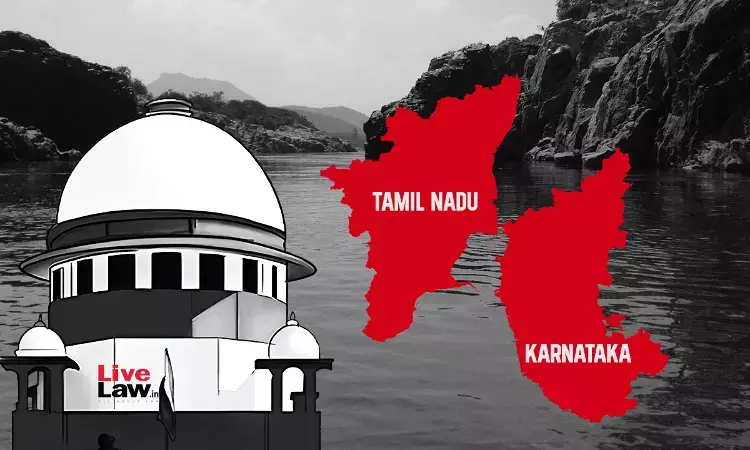
In a decisive legal maneuver, the Supreme Court of India has rejected the petitions filed by the state of Tamil Nadu, which sought an order compelling Karnataka to release additional volumes of water from the Cauvery River. The court's dismissal of these applications signifies a firm adherence to the established water-sharing agreement and the existing operational guidelines, refusing to intervene with ad-hoc increases in release quantities. For Tamil Nadu, this outcome is a stark reminder of the legal and diplomatic constraints it faces in securing water resources, particularly as the state grapples with the immediate needs of its agricultural sector and urban populations. The ruling effectively closes a chapter in the ongoing legal battle, leaving the state to rely on the scheduled releases rather than emergency judicial interventions.
The underlying tension in this dispute is deeply rooted in the competing developmental priorities of the two states. Karnataka, which hosts the majority of the river's catchment area, has increasingly emphasized its own water needs for industrial growth, urban expansion, and irrigation in its northern districts. Tamil Nadu, dependent on the river for its agricultural backbone, particularly in the delta regions, views any delay or reduction in water flow as an existential threat to its food security. The court's decision reflects a broader judicial reluctance to micromanage inter-state water disputes, preferring to uphold the structural agreements over case-by-case adjustments. This institutional friction highlights the difficulty of balancing equitable resource distribution with the practical realities of upstream and downstream usage.
The tangible outcome of this ruling is a continued state of uncertainty for Tamil Nadu's farmers and municipal authorities. Without the additional water, the state must manage its limited reserves with extreme caution, potentially leading to restrictions on irrigation and increased reliance on groundwater, which carries its own environmental and economic costs. The decision may also influence future negotiations between the two states, as Tamil Nadu may seek to leverage other diplomatic or political channels to address its water security concerns. For the agricultural community in the Cauvery basin, the ruling underscores the precarious nature of their livelihoods, which remain subject to the complex interplay of legal mandates, climatic variability, and political will.
Comments 0