CJP Detentions in Delhi: A Flashpoint for Civil Liberties
Delhi Police have detained key CJP activists, including Saurav Das and Abhijeet Dipke, while allegedly blocking legal access, escalating tensions over the organization's ban. The move has triggered warnings of nationwide agitation, signaling a potential confrontation between the state and a mobilized youth movement.
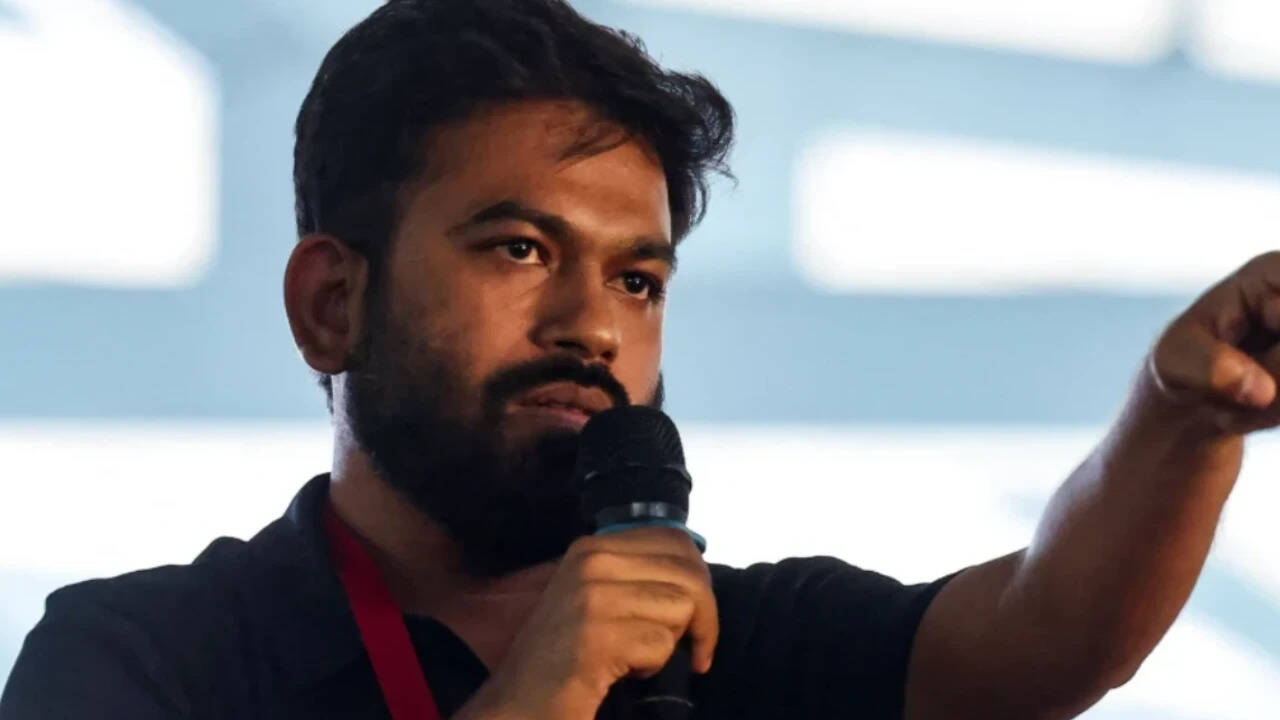
The detention of prominent CJP activists in Delhi, including Saurav Das, Ashutosh Ranka, and Ajinkya Shinde, has ignited a new phase of political tension in the capital. Reports indicate that the police blocked lawyers from accessing the detained individuals, a move that has drawn sharp criticism from the organization's leadership. Abhijeet Dipke has warned that the entire nation will turn Jantar Mantar, suggesting a coordinated, countrywide response to what the group perceives as an unjust ban on their activities. This incident is not merely a local law enforcement action but a symbolic strike against a movement that has gained significant traction among young Indians.
The underlying friction stems from the state's attempt to curb the CJP's influence, which has grown through digital mobilization and grassroots organizing. Institutional tensions are evident in the clash between the police's mandate to maintain order and the activists' right to protest and assemble. The allegation of blocking legal access raises serious questions about the rule of law and the protection of civil liberties in the face of political pressure. This episode reflects a broader pattern of state response to dissent, where administrative and legal tools are used to preemptively neutralize opposition movements.
The downstream impact is a heightened state of political alertness, with the potential for widespread protests and further polarizing the political discourse. The detention of key figures may galvanize the CJP's base, turning the organization into a martyr for the cause of civil liberties. For the government, this move risks alienating a significant segment of the youth vote, potentially affecting its electoral prospects. Over the next 12 months, this incident is likely to fuel further mobilization, with the CJP and allied groups organizing more aggressive forms of dissent, challenging the state's capacity to manage public order.
Comments 0