CJP in opposition's UP poll campaign? AAP, CPI(ML) explore seat-sharing with SP
Speculation has arisen that the Chief Justice of India may be influencing the opposition’s campaign strategy in Uttar Pradesh, prompting talks of seat‑sharing between AAP, CPI(ML) and the Samajwadi Party. The development reflects the fluid nature of alliance building ahead of the state elections.
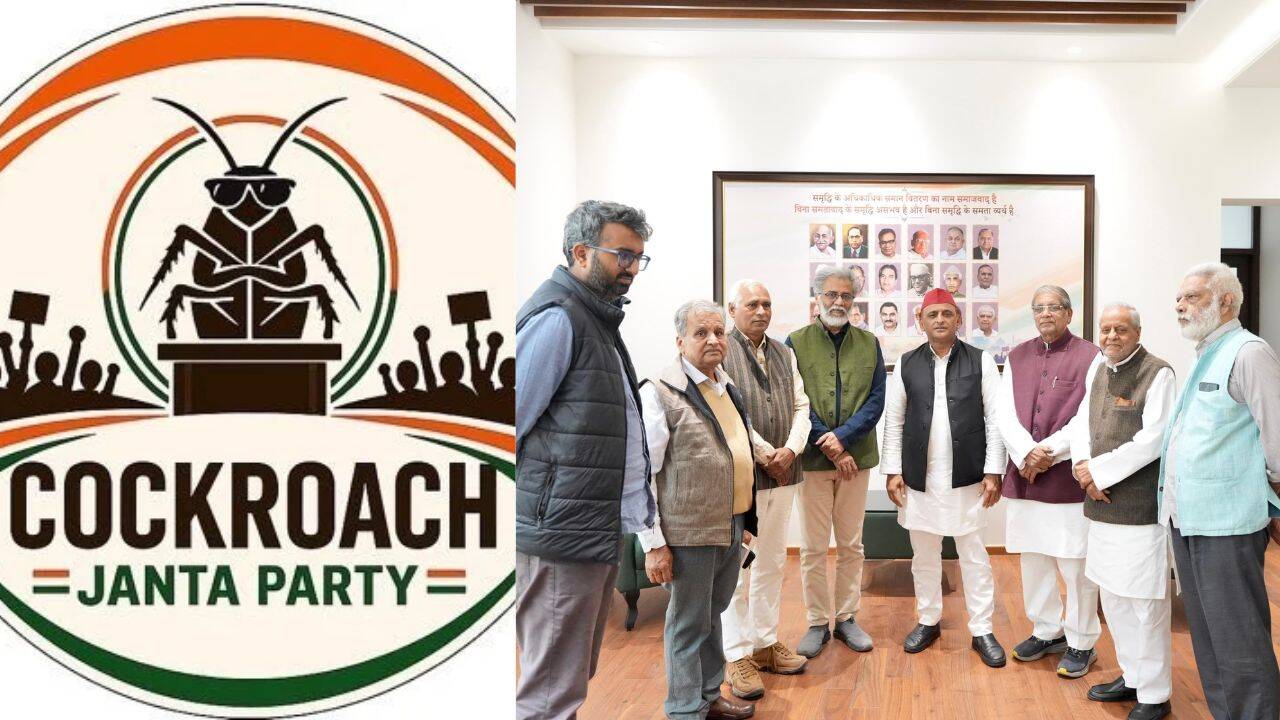
Uttar Pradesh, India’s most populous state, is gearing up for a high‑stakes assembly election that could reshape the national political balance. Recent reports suggest that the Chief Justice of India has been mentioned in opposition circles as a possible factor in shaping campaign narratives, though no official statement has confirmed any direct involvement. The rumor has sparked discussions among regional parties, particularly the Aam Aadmi Party, the Communist Party of India (Marxist‑Leninist), and the Samajwadi Party, about forming a coordinated seat‑sharing arrangement to consolidate anti‑incumbent votes.
Seat‑sharing talks are a common feature of Indian electoral politics, especially in states where multiple parties vie for similar voter bases. The AAP, which has made inroads in urban centers, seeks to expand its rural outreach, while the CPI(ML) aims to leverage its left‑leaning support among agrarian communities. The Samajwadi Party, a long‑standing player in Uttar Pradesh, brings a substantial vote bank among OBC and minority groups. By aligning their candidate lists, the parties hope to avoid vote splitting that could benefit the ruling party, which currently holds a strong position in the state.
For voters across India, the potential alliance highlights how regional dynamics can influence national outcomes. If the three parties manage to agree on a joint platform, it could introduce new policy debates focused on employment, agrarian distress, and governance reforms. The speculation around the Chief Justice adds a layer of intrigue, raising questions about the separation of powers and the role of the judiciary in political discourse. Observers will be watching closely to see whether the talks translate into a formal coalition before the election filing deadline.
Comments 0