Medicare Shifts Focus to Home Care, Bypassing Nursing Homes
A new legislative proposal aims to redirect Medicare funds toward in-home care, offering beneficiaries a cheaper alternative to institutionalization. This shift promises to free up hospital beds and reduce the overall cost of elderly care.
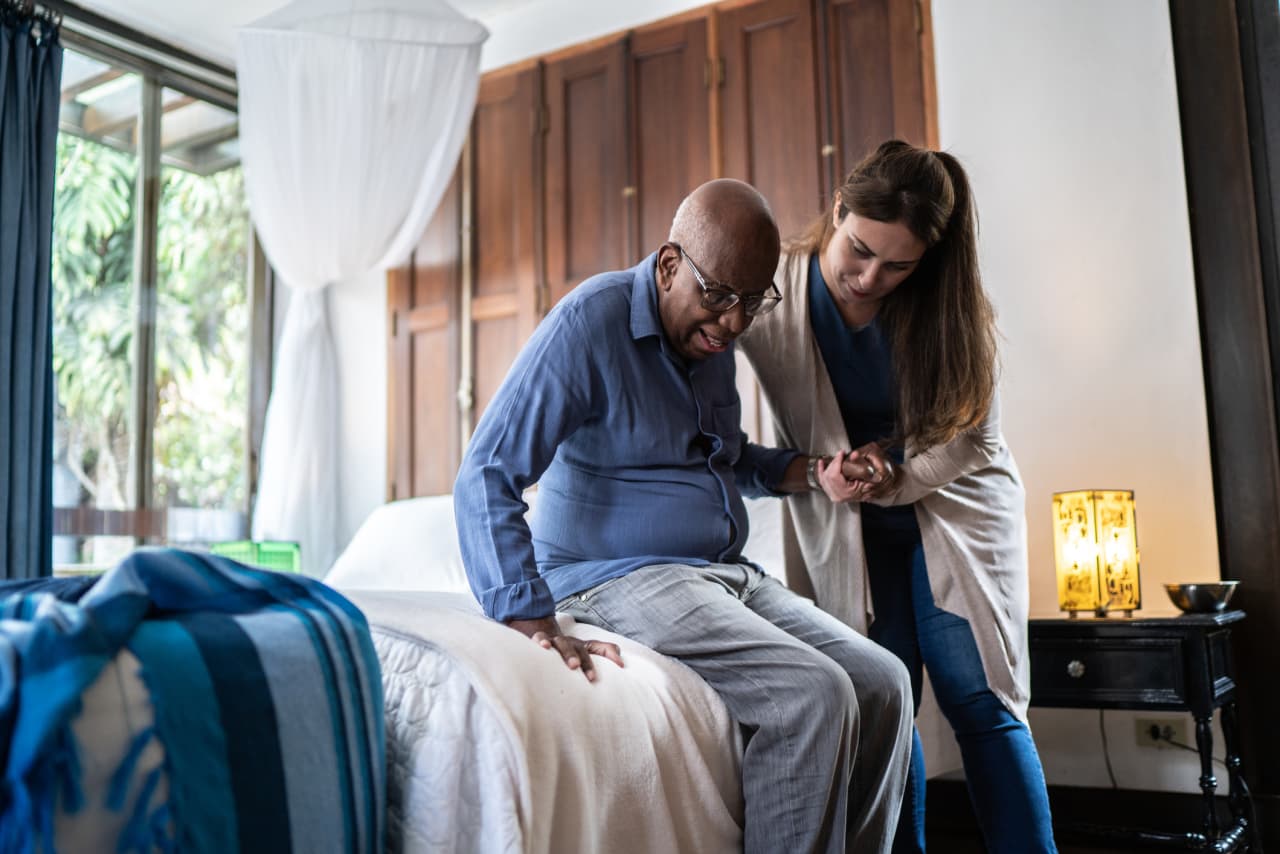
The American healthcare system is undergoing a significant structural adjustment as a new bill proposes to allow Medicare beneficiaries to opt for home-based care instead of traditional nursing homes. This legislative move is designed to address the rising costs of institutional care and the shortage of available beds in hospitals and long-term care facilities. The immediate outcome is a potential liberation for elderly patients who prefer the comfort of their own homes, while simultaneously alleviating the logistical burden on overtaxed medical institutions.
The institutional friction surrounding this change is profound. Nursing home operators face the prospect of reduced occupancy rates, which threatens their financial viability and may lead to consolidation or closure in the sector. Conversely, home care providers are positioned to benefit from a surge in demand, but they must scale their operations rapidly to meet the new standard of care. The tension lies in ensuring that home-based care can deliver the same level of medical oversight and emergency response as a facility, a challenge that requires robust technological integration and regulatory oversight.
The tangible outcome for the American public is a potential reduction in out-of-pocket expenses and a more dignified aging process. However, the downstream casualties may include the workforce in nursing homes, who face job insecurity as the industry contracts. The structural consequence is a fundamental redefinition of what constitutes 'care' in the United States, shifting the locus of medical responsibility from the institution to the household. This transition will require a new infrastructure of support, including telemedicine and mobile health units, to ensure that the quality of care does not suffer in the name of cost savings.
Comments 0