Climate Stress on the Plate: Heatwaves Shrink Brussels Sprouts for Christmas
Brussels sprouts, a staple of the Christmas dinner, are appearing smaller and less abundant this year due to the impact of heatwaves and drought on the water-intensive brassica. This agricultural shift highlights the growing influence of climate change on traditional food systems and consumer expectations.
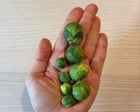
The concrete rupture in the agricultural sector is the noticeable reduction in the size and availability of Brussels sprouts for the festive season. This change is a direct consequence of the extreme heat and drought that have affected the growing conditions for this water-loving vegetable. The impact is not merely cosmetic but reflects a deeper shift in the agricultural , where traditional growing patterns are being disrupted by climate variability. The immediate shockwave is felt by farmers, who face lower yields and higher costs, and by consumers, who encounter a less abundant and potentially more expensive product.
The underlying tension is the conflict between the demands of traditional agriculture and the realities of a changing climate. The institutional friction is evident in the lack of adaptive strategies and support for farmers to transition to more resilient crops or practices. The current system is ill-equipped to handle the increasing frequency and severity of extreme weather events, leading to a mismatch between supply and demand. This friction is compounded by the global nature of the food supply chain, where disruptions in one region can have cascading effects elsewhere.
The downstream casualties include the economic viability of small-scale farmers and the cultural significance of traditional foods. The tangible outcome is a potential increase in food prices and a shift in consumer behavior, as people adapt to new realities. The long-term impact is a reevaluation of agricultural practices and a greater emphasis on sustainability and resilience. This shift will have profound implications for food security and the relationship between humans and the environment.
Comments 0