The Dalai Lama's Delhi Interlude: A Historical Echo in a Changing Capital
The Dalai Lama's presence in Delhi, from Nehru's guest to a resident in a Lutyens' address, reflects the shifting diplomatic and religious dynamics of India. This historical continuity is now tested by the current government's stricter stance on Tibetan issues.
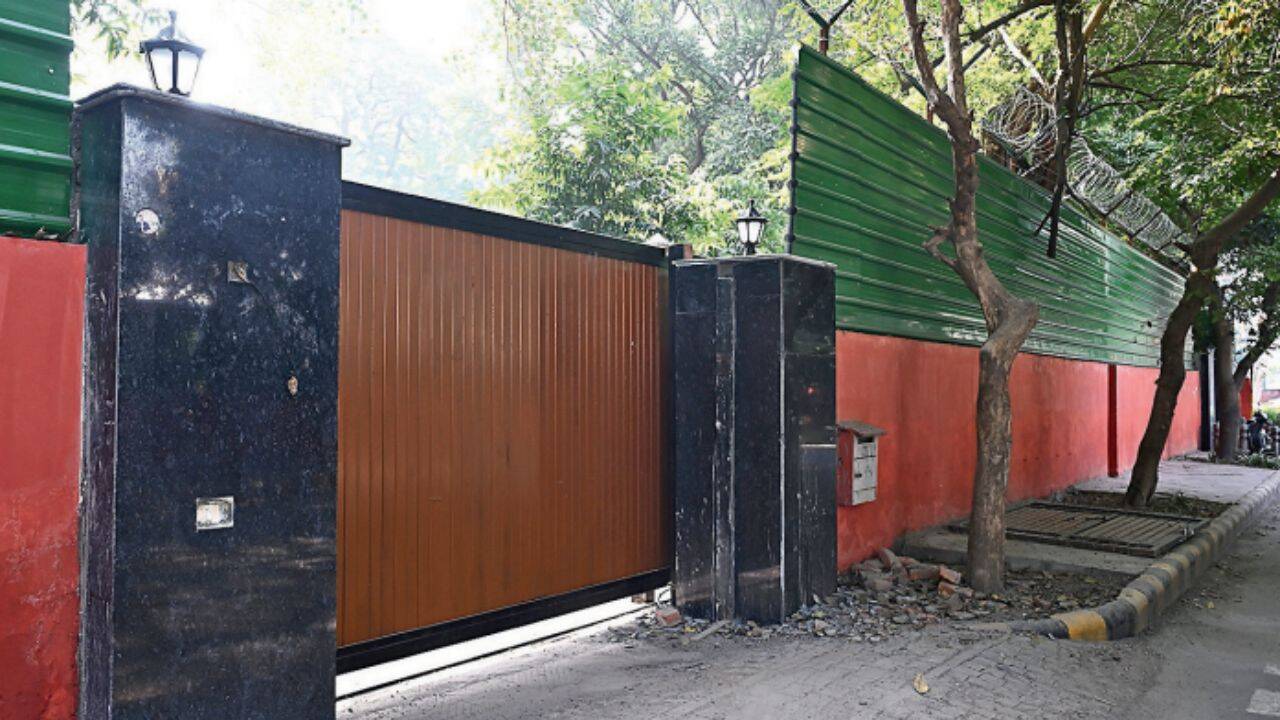
The concrete rupture is the historical narrative of the Dalai Lama's relationship with Delhi, which has evolved from a state guest under Nehru to a private resident in a prestigious neighborhood. This trajectory mirrors the changing political winds in India, where the Tibetan issue has shifted from a diplomatic concern to a national security priority. The immediate shockwave is the heightened scrutiny on the Dalai Lama's activities, as the current government seeks to assert its sovereignty over the region.
The underlying tension is the conflict between India's historical commitment to the Tibetan cause and its current strategic alignment with China. The institutional friction is evident in the way the government is balancing its diplomatic relations with Beijing against its domestic political considerations. This delicate balancing act is further complicated by the Dalai Lama's continued advocacy for Tibetan autonomy, which is viewed with suspicion by the Chinese government.
The downstream casualties are the Tibetan refugees in India, who face increasing restrictions on their religious and political activities. The tangible outcome is a more constrained environment for the Dalai Lama's followers, who are now under greater surveillance and pressure to conform to the state's narrative. This shift has long-term implications for India's soft power and its role as a humanitarian haven for the Tibetan community.
Comments 0