CNG Price Surge in Mumbai Sparks Autorickshaw Fare Dispute
CNG prices in the Mumbai region rose by Rs 1.5 per kilogram, prompting autorickshaw unions to demand a Rs 2 increase in the minimum fare. The hike has reignited a long‑standing debate over transport subsidies.
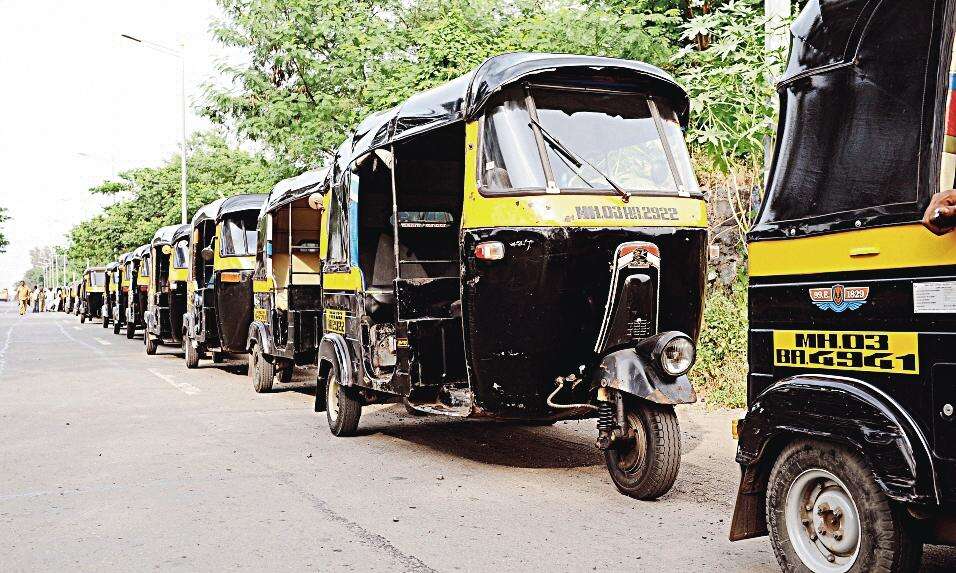
The concrete rupture manifested as the Maharashtra government announced a Rs 1.5 per kilogram increase in compressed natural gas (CNG) prices for the Mumbai metropolitan area, marking a cumulative rise of Rs 5.5 over the past 75 days. This adjustment directly impacts the operating costs of autorickshaw drivers, who rely on CNG as their primary fuel source. In response, unions representing the drivers have formally petitioned the transport authority for a Rs 2 uplift in the statutory minimum fare, arguing that the current rates no longer cover basic expenses.
Underlying tension stems from the broader fiscal pressures facing the state, which balances the need to keep fuel affordable for commuters against revenue requirements and environmental considerations. Critics of the price hike contend that it disproportionately harms low‑income workers who depend on autorickshaws for livelihood, while industry analysts warn that higher fares could deter passengers, potentially reducing overall ridership. The dispute also reflects a lingering mistrust between driver unions and municipal officials, who have previously been accused of neglecting the sector's financial sustainability.
Downstream casualties and tangible outcomes are likely to include a short‑term spike in transport costs for commuters, potentially prompting a shift toward alternative modes such as ride‑sharing apps or public buses. If fare adjustments are approved, drivers may regain a modest margin, but the broader impact on traffic congestion and pollution levels remains uncertain. The episode may also influence future policy deliberations on fuel pricing mechanisms, encouraging a more transparent formula that accounts for both market volatility and the socioeconomic realities of informal transport operators.
Comments 0