Coal Dust Plague Chausa Villages, Choking Life in Bihar
Residents of six villages near the Chausa power plant in Bihar are enduring a toxic siege, with coal dust clouds rendering daily life untenable and causing severe respiratory health issues. The environmental degradation highlights the human cost of India's energy infrastructure and the failure of regulatory oversight.
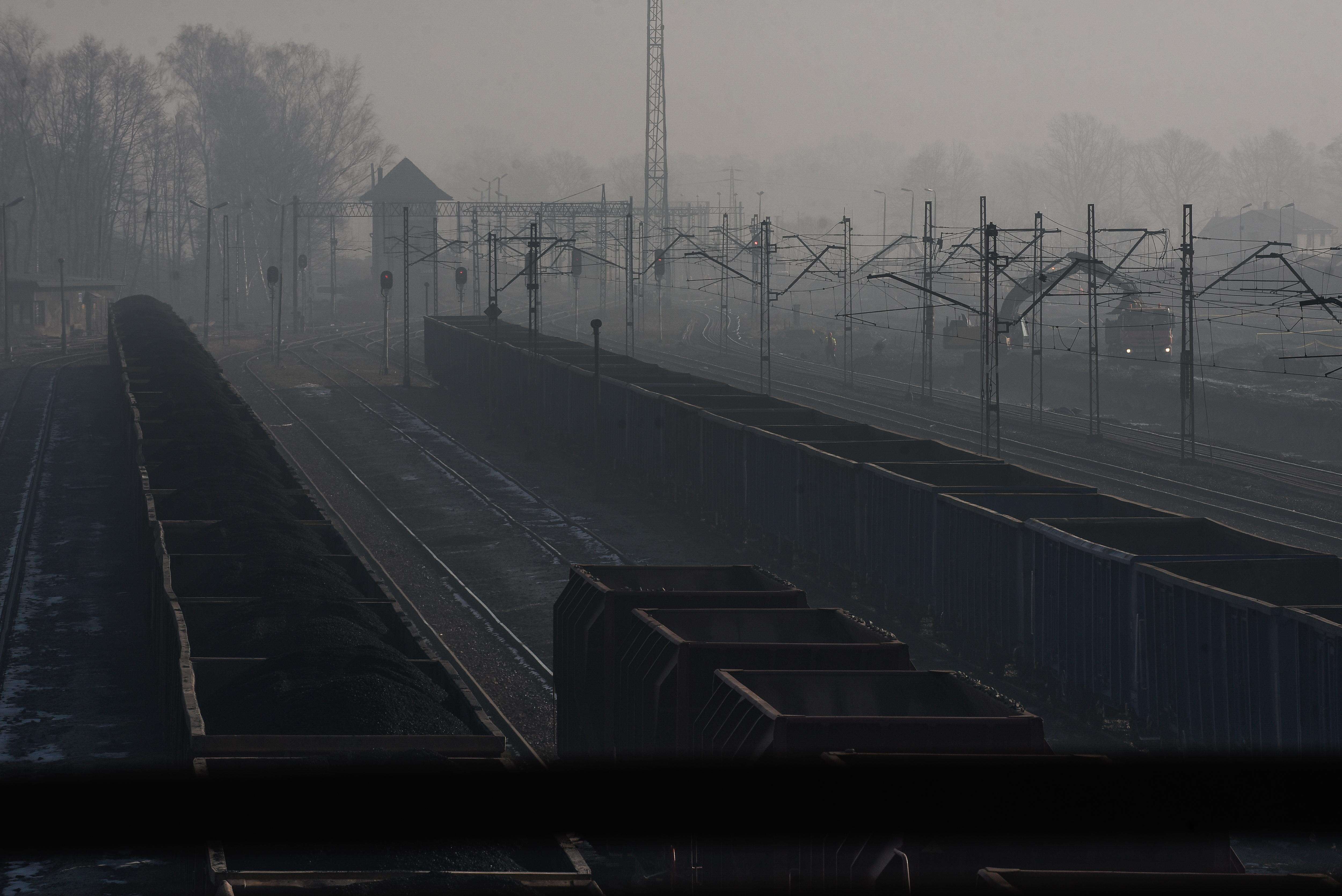
The concrete rupture is the visible and tangible degradation of air quality in six villages surrounding the Chausa power plant, where coal dust has become a constant, suffocating presence. Residents report that the dust settles on every surface, infiltrating homes and schools, and causing widespread respiratory ailments, particularly among children and the elderly. The situation has created a public health crisis, with local clinics overwhelmed by patients suffering from asthma, bronchitis, and other dust-related conditions, forcing many to seek treatment in distant urban centers.
The underlying tension is the conflict between the imperative for energy production and the right to a clean environment. The power plant, a critical component of the regional grid, operates under pressure to meet demand, often at the expense of environmental safeguards. Regulatory bodies have been criticized for their inability or unwillingness to enforce strict emission controls, allowing the plant to continue operations that directly harm the surrounding community. This institutional friction reflects a broader pattern in India, where industrial growth is prioritized over environmental protection, leaving vulnerable populations to bear the brunt of development.
The downstream casualties are the residents of these villages, who face long-term health consequences and a diminished quality of life. The tangible outcome is a growing sense of injustice and anger among the community, which could lead to protests and legal challenges against the plant and the state government. This incident will likely prompt a reevaluation of environmental regulations in industrial zones, with a focus on stricter enforcement and greater community participation in monitoring air quality, potentially setting a precedent for other regions facing similar challenges.
Comments 0