‘Complainant did not qualify as an aggrieved person’: Rahul Gandhi’s lawyer on acquittal in defamation case
Rahul Gandhi’s lawyer argued that the complainant in his defamation case did not qualify as an aggrieved person, leading to Gandhi’s acquittal. The court’s decision rests on a technical interpretation of defamation law.
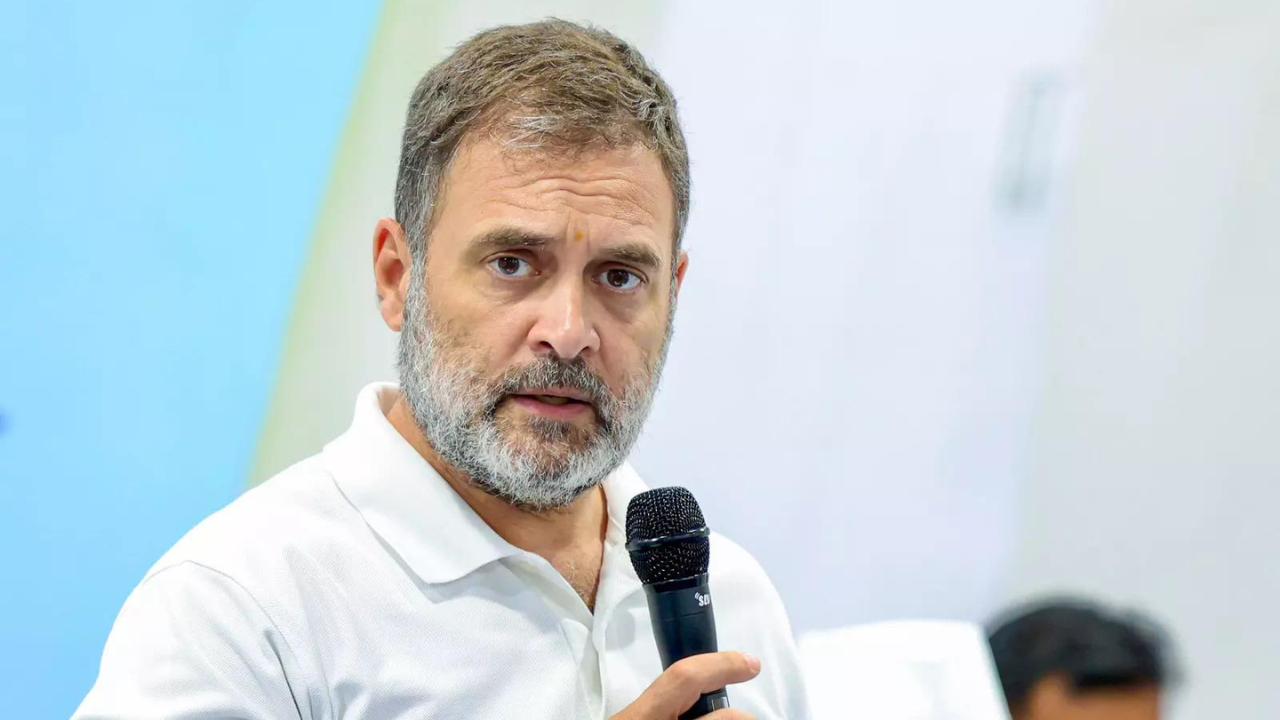
In a recent courtroom ruling, the judge accepted the argument presented by Rahul Gandhi’s counsel that the individual who filed the defamation suit lacked the legal standing to claim injury. Under Indian law, a plaintiff must demonstrate that they suffered a specific harm or reputational loss directly caused by the alleged defamatory statement. Gandhi’s lawyer contended that the complainant’s claim was based on a generalized grievance rather than a concrete injury, and the court agreed, resulting in an acquittal for the opposition leader.
The case originated from a series of remarks made by Gandhi during a public rally, which the complainant alleged damaged their personal reputation. While the statements were widely reported in the media, the legal question centered on whether the complainant could prove a direct impact on their social or professional standing. The court’s decision highlights the importance of establishing a clear cause‑and‑effect link in defamation suits, a principle that has been reinforced in several recent judgments across the country.
For readers in India, the outcome is significant because it clarifies the threshold for filing defamation actions against public figures. The ruling may deter frivolous lawsuits that aim to silence political speech, while also reminding activists and journalists that they must ensure factual accuracy when making serious allegations. The case also reflects the broader tension between free expression and personal reputation in a highly polarized political environment, a balance that the judiciary continues to navigate.
Comments 0