Congress Challenges Election Commission Over ECINET Data Withholding
The Congress party has formally questioned the Election Commission of India for refusing to share details of the controversial ECINET software, alleging that the withholding is intended to hide roll manipulation. This move escalates the political dispute over electoral integrity and the transparency of the voting process.
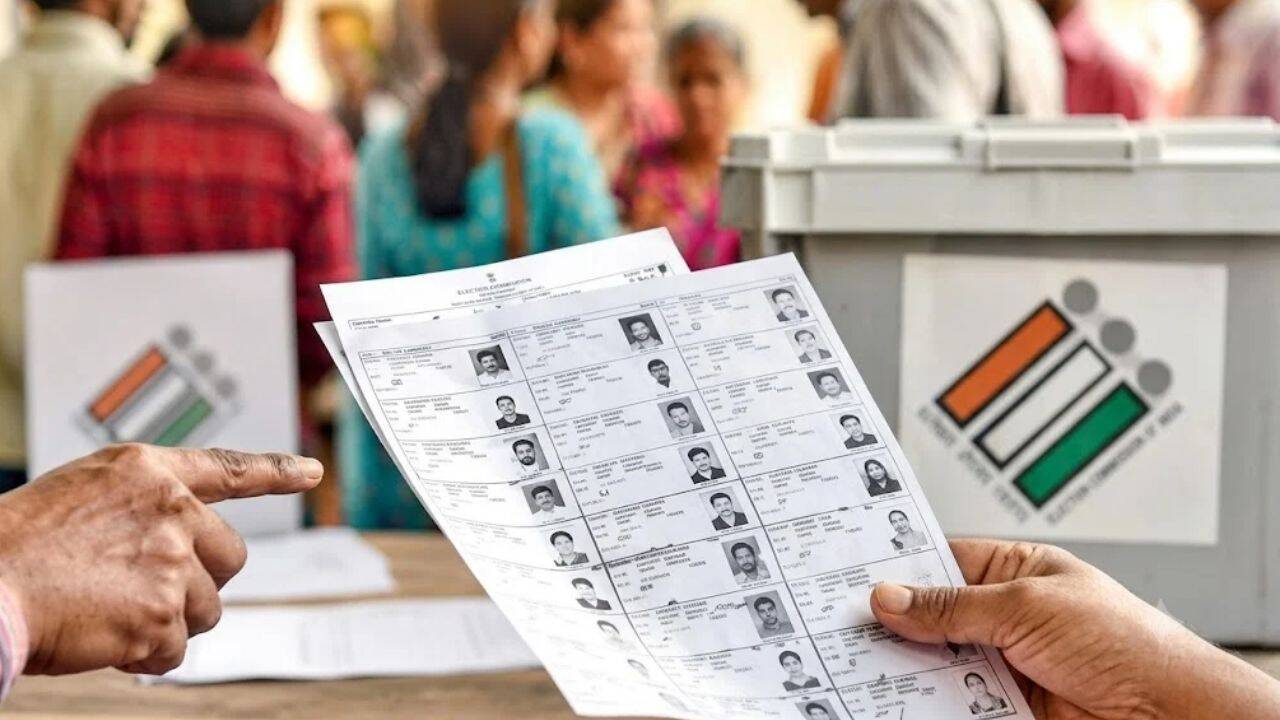
The concrete rupture in the political is the formal challenge issued by the Congress party to the Election Commission of India regarding the ECINET software. The immediate shockwave is a deepening of the institutional conflict between the opposition and the electoral body, with allegations of data manipulation and lack of transparency. The outcome is a heightened scrutiny of the voting process, with the opposition demanding full disclosure of the software's workings and the data it processes. This move is not just a political tactic but a substantive challenge to the credibility of the electoral system, which is the foundation of democratic governance. The refusal of the Election Commission to share the details has fueled suspicions of impropriety and has put the institution under intense pressure.
The underlying tension is the struggle for control over the narrative of electoral integrity, with the opposition seeking to undermine the credibility of the ruling party's electoral victories. The institutional friction is evident in the differing interpretations of transparency and security, with the Election Commission citing the need to protect the integrity of the system and the opposition demanding accountability. The conflict is rooted in the broader political rivalry, where each side seeks to leverage the electoral process to its advantage. The friction is further compounded by the lack of independent oversight, which has allowed the dispute to escalate without a clear resolution. The withholding of data is seen by the opposition as a deliberate act to conceal evidence of manipulation, while the Election Commission views it as a necessary measure to protect the system.
The downstream casualties of this dispute are the voters, who are left with doubts about the fairness of the electoral process. The tangible outcome is a erosion of trust in the democratic institutions, which is essential for the stability of the political system. The winners in this scenario are the political actors who are able to mobilize public opinion against the other side, while the casualties are the institutions that are caught in the crossfire. The 12-month structural consequence is a push for greater transparency and independent oversight of the electoral process, which will be for restoring public confidence in the democratic system.
Comments 0