Cotton Prices Surge to ₹9,260 per Quintal as El Nino Threatens Harvest
Farmers in Rajasthan are receiving record prices for cotton amid fears that El Nino will curtail the upcoming harvest. The price spike has immediate implications for planting decisions and market dynamics across the textile supply chain.
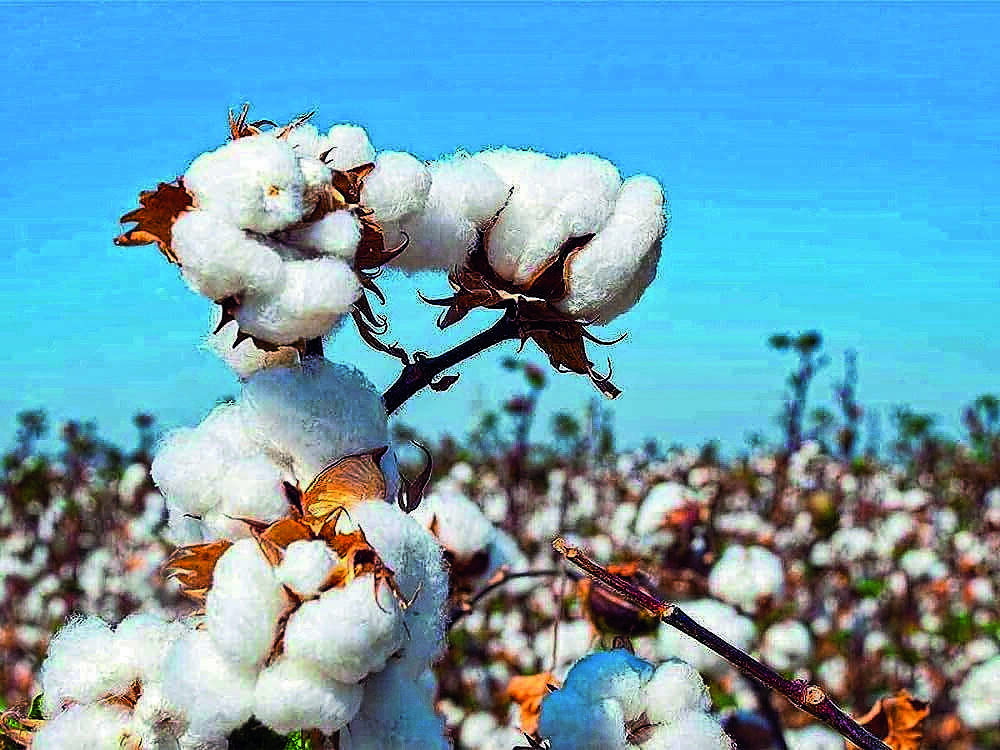
The concrete rupture is the announcement that cotton is now trading at ₹9,260 per quintal, a level not seen in recent years, driven by heightened demand from textile mills and export markets. Traders attribute the surge to speculative buying ahead of anticipated weather disruptions, as meteorological forecasts warn that El Nino could reduce monsoon rainfall in key cotton‑growing districts of Rajasthan. The elevated price has prompted many farmers to accelerate sowing, hoping to lock in profits before any potential yield decline.
Underlying tension emerges from the clash between short‑term market incentives and long‑term agricultural risk management. While higher prices boost farmer incomes in the immediate term, the looming El Nino raises concerns about water scarcity, pest infestations and reduced boll formation. State agricultural officials have warned that without adequate irrigation support, the expected yield could fall sharply, offsetting the price gains. Moreover, the price rally has sparked debate among policymakers about the need for crop‑insurance schemes and buffer‑stock strategies to stabilise farmer earnings.
Downstream consequences will likely be felt across the textile industry, where input costs may rise, prompting manufacturers to renegotiate contracts or seek alternative fibre sources. Exporters could benefit from higher global cotton prices, but domestic garment producers may face squeezed margins, potentially leading to price adjustments for finished goods. In the broader economy, the cotton price surge may influence inflation indices, especially in regions where cotton‑based products constitute a significant share of consumer spending.
Comments 0