CPCB’s Silence on Diwali Air Quality Data Exposes the Fragility of India’s Environmental Monitoring
The Central Pollution Control Board has been forced to explain significant data gaps in its National Air Quality Index readings during Diwali night. This admission reveals a critical weakness in India’s environmental surveillance infrastructure, undermining public trust in official pollution metrics.
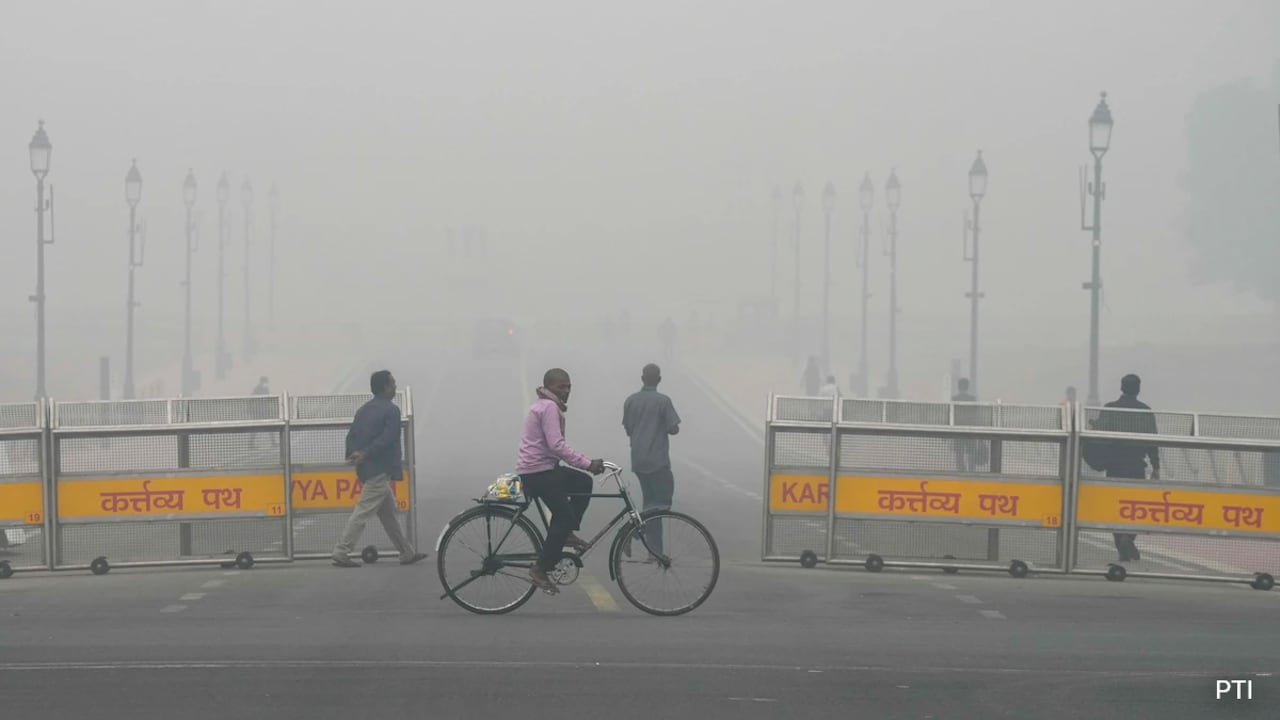
The Central Pollution Control Board’s clarification on data gaps in its National Air Quality Index readings during Diwali night is a stark reminder of the challenges facing India’s environmental monitoring systems. The admission that data was missing or unreliable during a period of known high pollution events raises serious questions about the robustness of the country’s air quality surveillance infrastructure. This is not merely a technical glitch but a systemic issue that affects the ability of policymakers and the public to make informed decisions about environmental health. The lack of reliable data during critical periods can lead to delayed or ineffective responses to pollution crises, with potentially severe consequences for public health.
The underlying tension in this issue reflects the gap between the political imperative to present a positive image of environmental progress and the technical reality of monitoring air quality in a rapidly urbanizing and industrializing country. The CPCB’s reliance on a network of monitoring stations that may not be adequately maintained or calibrated is a symptom of broader challenges in India’s environmental governance. The lack of real-time, accurate data also complicates efforts to enforce pollution control measures, as it is difficult to hold polluters accountable without reliable evidence. This issue also highlights the need for greater investment in environmental monitoring technology and the training of personnel to ensure the integrity of the data collected.
The downstream consequences of this data gap are likely to be felt in public health and policy formulation. The lack of reliable air quality data can lead to a misallocation of resources, as policymakers may not be able to identify the most polluted areas or the most effective interventions. This can also erode public trust in government institutions, as citizens may become skeptical of official reports on environmental conditions. The issue may also have legal implications, as the lack of data can make it difficult to enforce environmental laws and regulations. Ultimately, the impact of this data gap will depend on the government’s willingness to invest in improving its environmental monitoring systems and to be transparent about the limitations of its data.
Comments 0