Crude Plunges as Brussels Prepares Emergency Reserve Release
European policymakers moved to authorize the release of strategic petroleum reserves, triggering a sharp 4 percent decline in WTI crude and pushing Brent below the $100 mark. This intervention signals a coordinated effort to blunt the inflationary shock of geopolitical instability in West Asia.
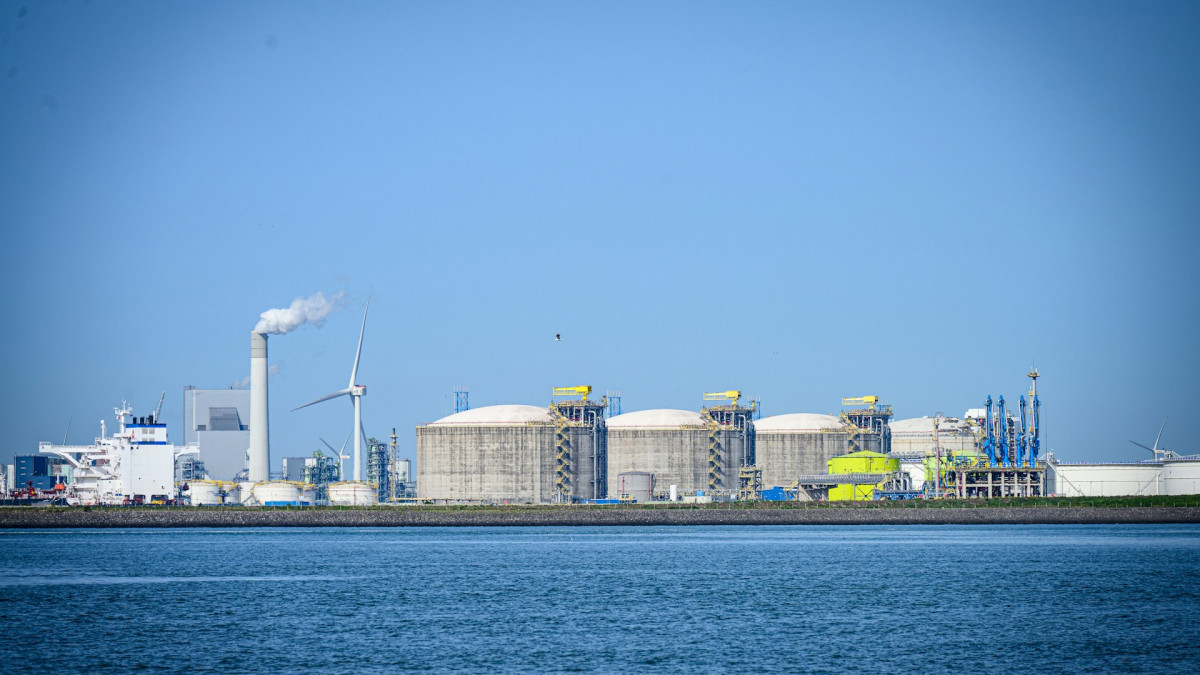
The global energy market experienced a sudden and violent correction on Friday as the European Union signaled its intent to tap into emergency stockpiles. WTI crude tumbled nearly 4 percent to trade at $89.36, while Brent crude slipped beneath the psychologically significant $100 threshold. This price action followed intense diplomatic pressure from the United States, which sought to stabilize supply chains amid escalating tensions in the region. The decision to release reserves represents a significant escalation in the coordination between Western capitals and energy markets. It reflects a growing institutional anxiety that the current geopolitical friction, marked by the deployment of additional U.S. naval assets and rhetoric from President Trump, could disrupt the flow of hydrocarbons from the Gulf. The move is not merely a price management tool but a strategic signal of unity among allied nations facing a common economic threat. For consumers and industrial sectors, the immediate outcome is a temporary reprieve from soaring fuel costs. However, the reliance on stockpile releases highlights the fragility of global supply chains. If the conflict in West Asia persists, these reserves will deplete, leaving markets exposed to even more volatile swings. The short term relief masks a deeper structural vulnerability in the global energy architecture.
Comments 0