Crude Rebound Remaps Global Energy Trade Routes
Middle East crude oil exports have rebounded to 12.8 million barrels daily, driven by Saudi Arabia redirecting flows from western markets to eastern destinations. This strategic pivot immediately alters pricing benchmarks and supply availability across Asian industrial economies.
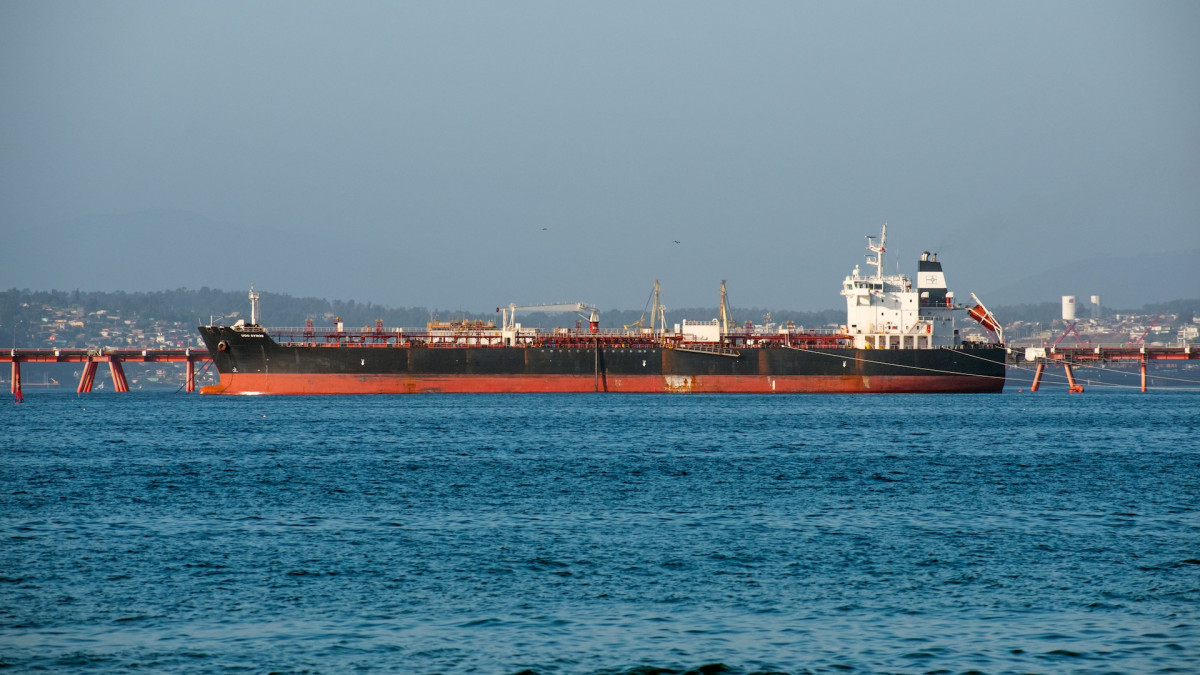
The global energy architecture is experiencing a subtle yet profound structural recalibration as Middle Eastern petroleum shipments register a notable recovery. Preliminary tracking data indicates that daily export volumes have climbed to 12.8 million barrels, led primarily by Riyadh. Saudi producers have systematically shifted their cargo allocations away from traditional Atlantic basin destinations toward high-demand consumer markets in Asia. This geographical redirection reflects long-term economic alignments rather than short-term opportunism. At the heart of this shift lies a calculated maneuver by major producers to secure enduring market share in economies where industrial energy consumption remains robust. Western refiners accustomed to steady Middle Eastern inflows must now scramble for alternative grades, paying premium prices for domestic or North Sea substitutes. State oil companies are cementing bilateral supply pacts with Asian buyers, insulating their revenue streams from the volatility of European sanctions and regulatory transitions. Institutional energy traders are frantically recalculating freight rates and tanker logistics to match these newly minted maritime corridors. The immediate losers in this realignment are western processing plants facing narrowing margins and tightened feedstock availability. Conversely, Asian manufacturing hubs gain a measure of supply predictability, albeit under pricing terms dictated by consolidated cartel discipline. Downstream petrochemical operators across the Indian Ocean rim must absorb these shifting baseline costs, passing inflationary pressures upward into finished consumer goods. The sovereign balance sheets of exporting nations will undoubtedly strengthen, consolidating state power and funding ambitious domestic diversification agendas at the expense of importing consumers.
Comments 0