Cyber Fraud Targets Senior Citizens: A Growing Crisis in India
A retired Indian Air Force officer was defrauded of 4.5 lakh rupees by online crooks, highlighting the increasing vulnerability of senior citizens to digital scams. This incident is part of a broader trend of cyber fraud targeting individuals with financial means, exposing gaps in digital literacy and law enforcement response.
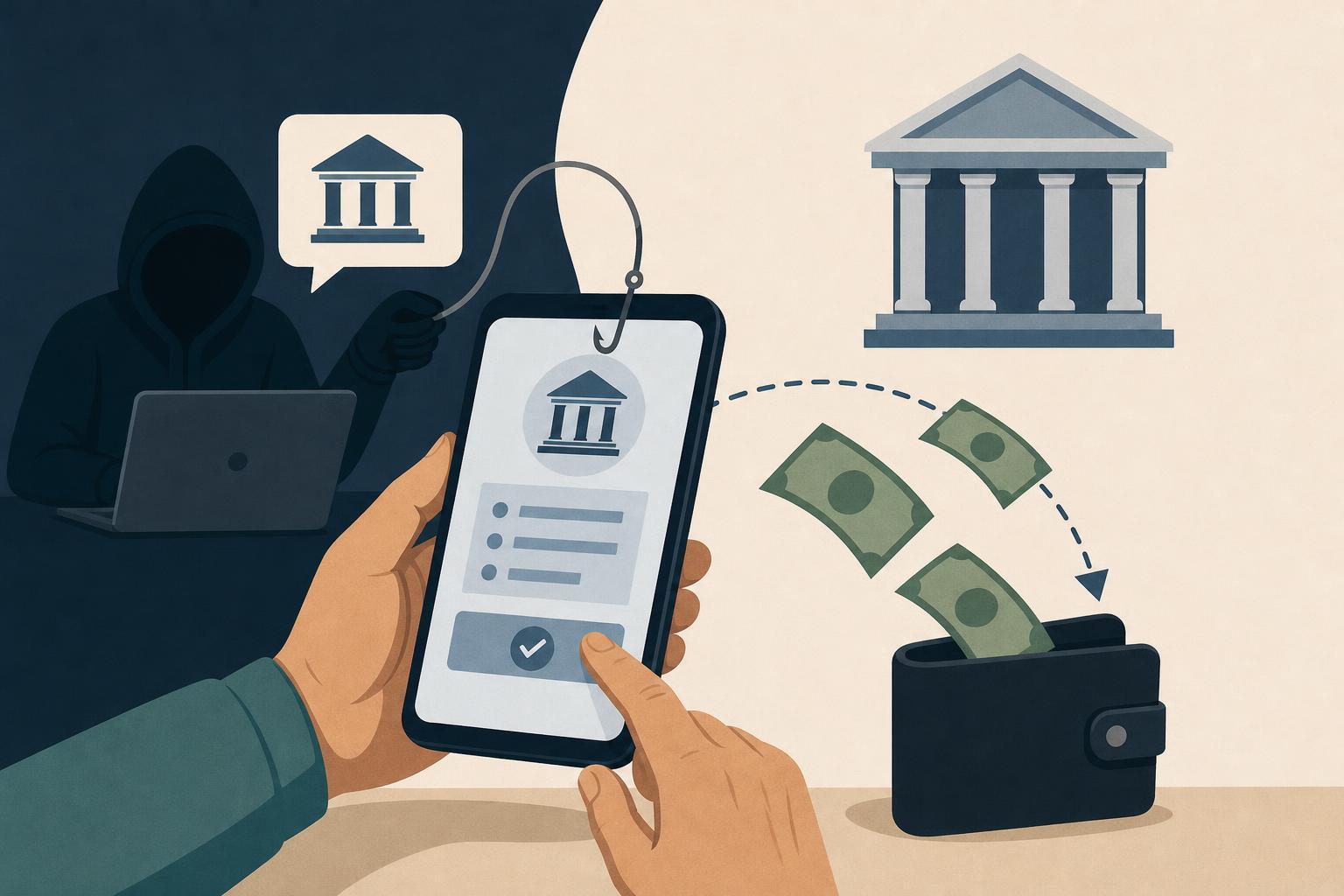
The case of the retired IAF officer is a stark reminder of the sophistication of modern cyber fraud. The perpetrators likely used social engineering techniques to gain the officer’s trust, exploiting his familiarity with digital platforms and his financial status. The loss of 4.5 lakh rupees is a significant blow to the officer’s personal finances, but it also represents a failure of the systems designed to protect citizens from such crimes. The incident underscores the need for better awareness campaigns and more robust digital security measures, particularly for vulnerable populations.
The underlying tension in this issue is the rapid adoption of digital services without a corresponding increase in digital literacy and security. Many senior citizens are being encouraged to use online banking and payment systems, but they are not being adequately trained to recognize and avoid scams. This institutional friction between the push for digital inclusion and the lack of protective measures has created a fertile ground for fraudsters. The law enforcement agencies are also struggling to keep up with the pace of technological change, often lacking the resources and expertise to investigate and prosecute cyber crimes effectively.
The downstream impact of this trend is a growing sense of insecurity among senior citizens, who may become reluctant to use digital services, thereby limiting their access to essential services. For the financial sector, it represents a reputational risk, as banks and payment platforms are held responsible for the security of their customers’ funds. The 12-month structural consequence will be a push for stricter regulations on digital financial services, with a focus on enhanced customer verification and real-time fraud detection. This will likely lead to a more secure but potentially less convenient digital ecosystem, as institutions prioritize risk mitigation over user experience.
Comments 0