Cyclone Akvan Weakens Yet Brings Torrential Rains to Odisha, Andhra Pradesh and West Bengal
The third tropical system of the season, Cyclone Akvan, lost intensity before making landfall but still delivered heavy downpours across three eastern states. The deluge has triggered widespread flooding, disrupting transport networks and prompting emergency evacuations.
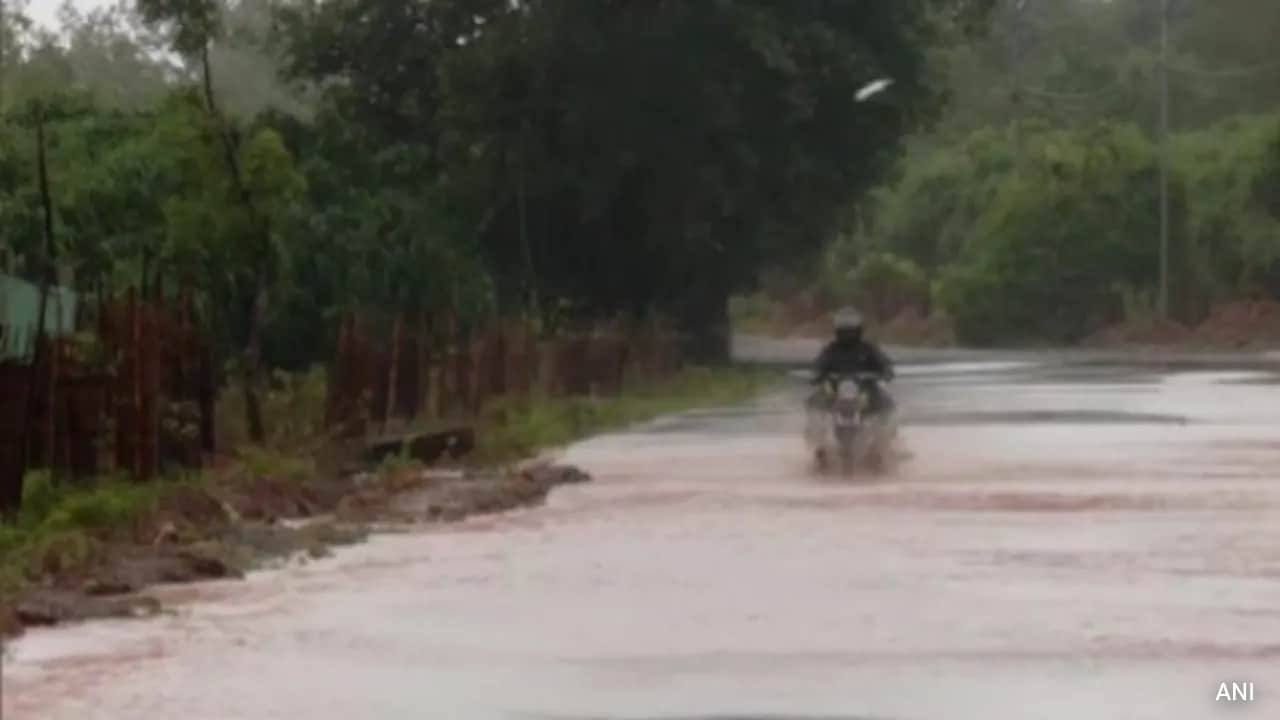
The concrete rupture manifested as Akvan’s outer bands slammed into the coastal districts of Odisha, where riverbanks overflowed and low‑lying villages were inundated within hours of the storm’s arrival. Local authorities activated relief camps, while power utilities reported outages affecting over 150,000 households. In Andhra Pradesh, the cyclone’s remnants merged with a monsoon trough, intensifying rainfall over the Krishna and Godavari basins and forcing the closure of several railway lines that are vital for freight movement.
Underlying tension emerged from the cumulative strain of three cyclones striking the region in less than a month, exposing gaps in the state disaster‑management apparatus. Critics pointed to delayed sand‑bag distribution and inadequate early‑warning dissemination, arguing that bureaucratic inertia amplified the human toll. The central government’s disaster‑relief fund was tapped, yet officials warned that the rapid succession of storms could deplete resources before the monsoon season fully recedes, raising concerns about long‑term resilience in vulnerable coastal zones.
The downstream casualties are already evident in agricultural loss and public‑health risks. Rice paddies across the delta regions suffered sub‑mersion, threatening the upcoming harvest and potentially driving up staple prices in national markets. Stagnant water has created breeding grounds for water‑borne diseases, prompting the health ministry to dispatch mobile clinics to affected districts. The compounded impact is expected to strain state budgets, prompting calls for increased central assistance and a review of coastal‑zone planning policies to mitigate future storm damage.
Comments 0