Decades of Coastal Engineering Debt Converge on Malibu Surf Breaks and Shoreline Communities
A century of artificial shoreline alteration and sand retention structures has finally starved Malibu of sediment, leaving iconic surf breaks and coastal properties highly vulnerable. Rising sea levels combined with depleted natural sand supplies threaten to reshape the legendary southern coastline.
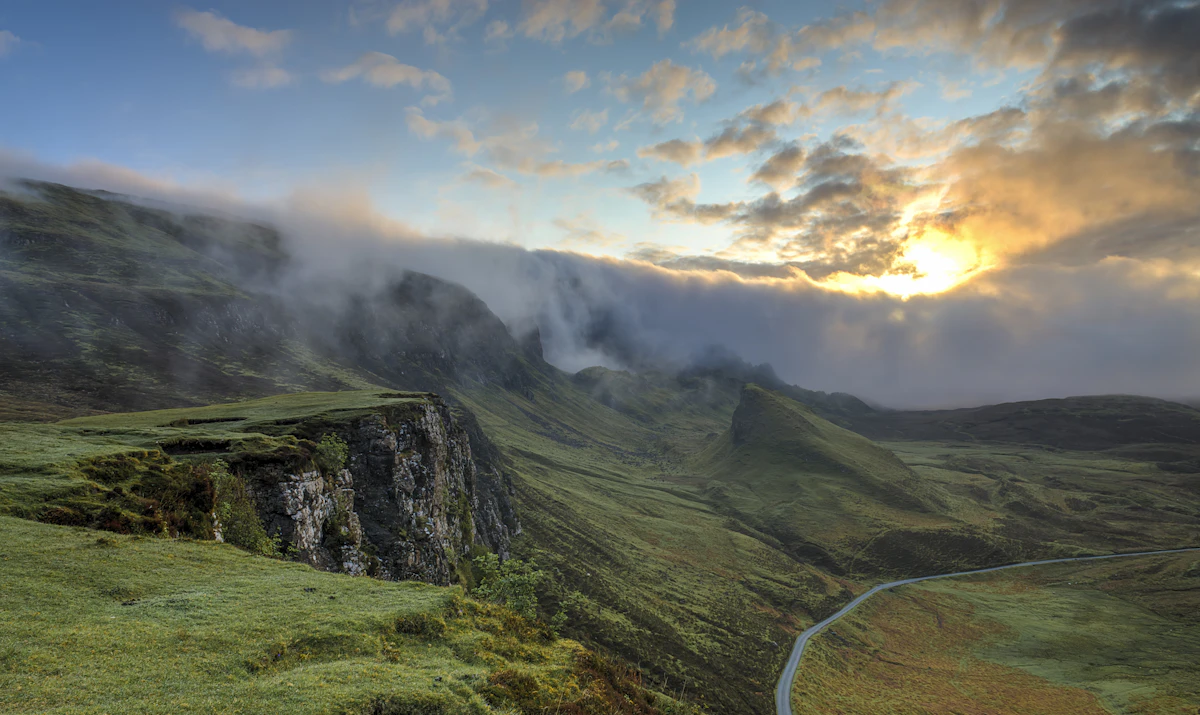
The famous curling waves of Malibu are bearing the delayed ecological cost of a century's worth of upstream damming, harbor dredging, and coastal armoring. For generations, urban expansion along the Southern California coast prioritized real estate protection over natural sediment transport, trapping sand behind concrete barriers instead of allowing littoral drift to nourish beaches. Today, that accumulated environmental debt is coming due as eroding shorelines expose foundational infrastructure to direct wave action. Local authorities and coastal property owners find themselves locked in an increasingly contentious debate over retreat versus fortification. Traditional engineering responses, such as importing offshore sand or constructing seawalls, offer diminishing returns while accelerating the degradation of world-renowned surf breaks. Surfers and environmentalists point out that artificial hardening destroys the very underwater topography that generates the legendary waves, pitting commercial interests against cultural preservation. The tangible outcome involves soaring insurance liabilities for coastal homeowners and accelerating beach loss that threatens public recreational access. Without a comprehensive regional strategy to restore natural watershed sediment flows, iconic coastal communities face an expensive, losing battle against oceanic encroachment.
Comments 0