Delhi inaugurates 11-km Chhath Ghat along Munak Canal, calls it country's longest
Delhi has opened an 11‑kilometre Chhath Ghat along the Munak Canal, calling it the longest in the nation. The facility offers a dedicated space for devotees to perform the Sun worship rituals, addressing both cultural and urban management concerns.
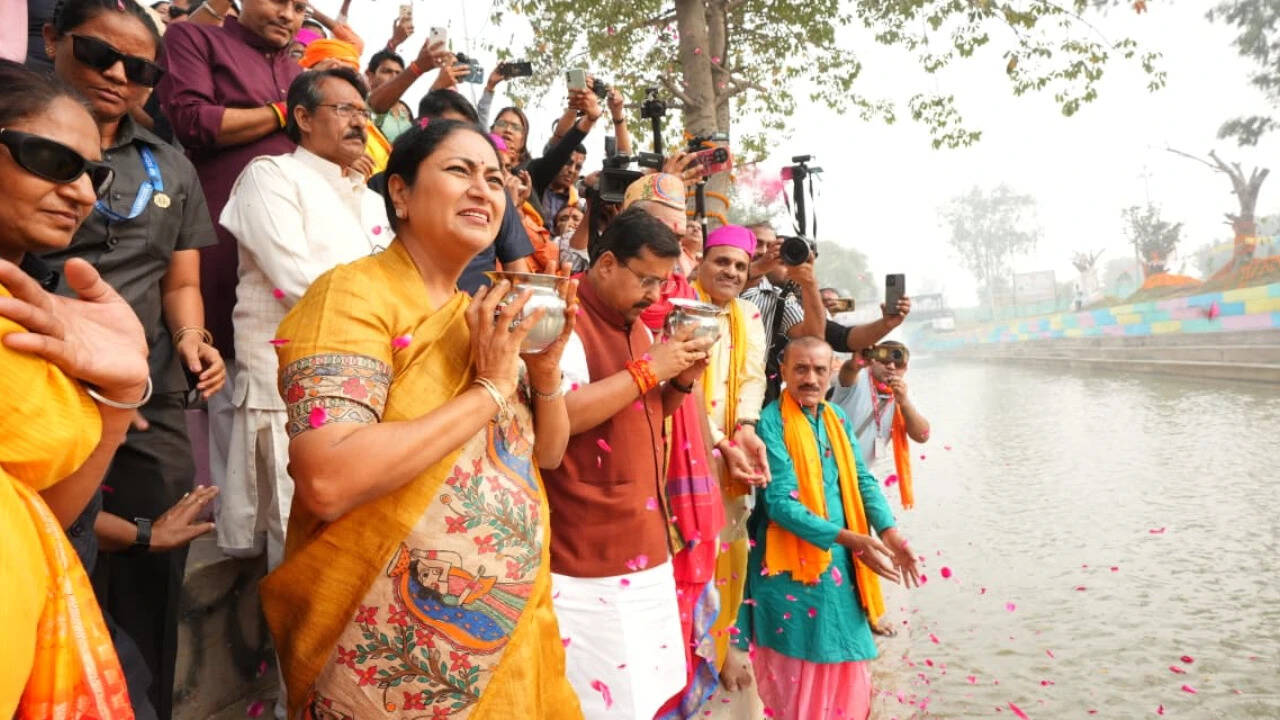
Chhath is a four‑day Hindu festival that honors the Sun God and is especially popular in the states of Bihar, Uttar Pradesh and Jharkhand. Migrant workers from these regions have settled in Delhi and often travel back to their hometowns to perform the ritual of offering prayers at riverbanks at sunrise and sunset. In recent years, the lack of a dedicated riverfront in the capital has forced many devotees to use crowded public spaces, prompting the municipal authorities to consider a purpose‑built ghat. The Munak Canal, which supplies drinking water to Delhi, runs through the northern part of the city and offers a suitable location for a large‑scale structure.
The Delhi government officially opened an 11‑kilometre stretch of Chhath Ghat along the Munak Canal on Tuesday, describing it as the longest such facility in the country. The ceremony was led by the chief minister, who cut a ceremonial ribbon and offered a prayer for the safety of pilgrims. Security personnel were deployed to manage crowds, and temporary shelters, lighting and water facilities were installed to accommodate worshippers throughout the festival period. Officials highlighted that the ghat includes designated bathing areas, shaded pavilions and waste‑management systems to keep the canal clean.
The new ghat is expected to attract thousands of devotees from Delhi and neighboring states, providing them with a safe and organized space to observe the rituals. By creating a permanent venue, the city hopes to reduce traffic congestion near traditional riverbanks and improve overall sanitation during the festival. For readers across India, the development signals a recognition of the cultural importance of migrant communities and demonstrates how urban planners are integrating religious needs with infrastructure projects, a balance that can influence future civic initiatives.
Comments 0