Deep Gulf Security Fracture as Projectiles Strike Tanker North of Qatar
A commercial tanker sustained multiple projectile impacts fifty-one nautical miles north of Madinat ash Shamal, marking the first deep Persian Gulf strike in nearly a month. The incident instantly jolts regional maritime insurance premiums and escalates threat perceptions for hydrocarbon transit lanes.
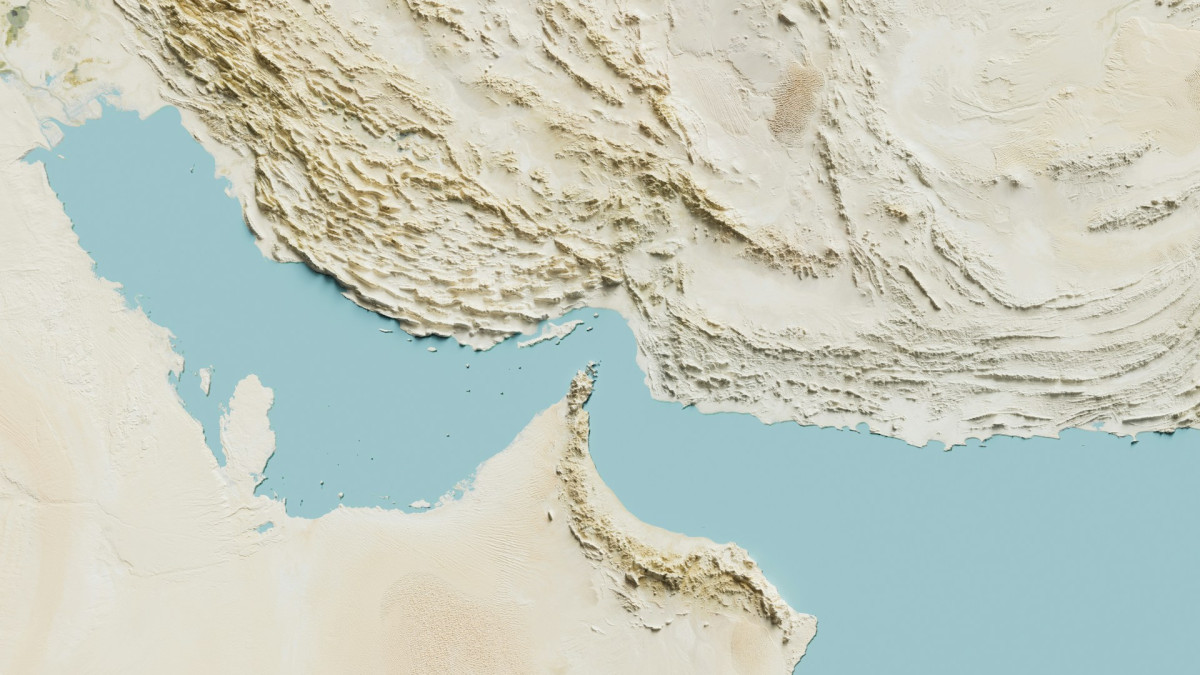
The morning silence of the Persian Gulf was violently shattered when unidentified projectiles slammed into a commercial tanker operating just north of Qatar's maritime frontier. This offensive action shatters a fragile month-long lull in deep-water shipping assaults, immediately compelling vessel operators to reassess transit protocols through one of the planet's most vital energy arteries. Maritime security analysts are scrambling to identify the vector of the attack, noting that the strike depth signals an alarming expansion of reach within waters previously deemed relatively secure from direct kinetic engagement. Energy markets and shipping conglomerates find themselves caught in a familiar web of anxiety as insurance underwriters prepare to reprice risk for every hull navigating the Gulf. The structural friction here lies between the immense economic imperative to keep Qatari liquefied natural gas flowing outward to global markets and the mounting reluctance of multinational crews to risk their lives in unshielded waters. Regional naval coalitions face renewed scrutiny regarding their capacity to deter asymmetric strikes, while diplomatic channels hum with frantic inquiries aimed at preventing retaliatory spirals that could choke off critical global fuel supplies. Downstream casualties will likely manifest swiftly in spiking freight rates, extended vessel routing around high-risk zones, and immediate upward pressure on international energy prices. Importers dependent on Middle Eastern hydrocarbons must now absorb higher risk premiums, which will ultimately trickle down to industrial consumers and retail utility bills across consuming nations. The attack serves as a harsh reminder that maritime stability in the region remains highly volatile, capable of unraveling at the slightest provocation.
Comments 0