Gulf Energy Flows Secured by Direct Payments to Tehran
Market intelligence indicates that major Persian Gulf crude producers are remitting payments directly to Iran to guarantee unobstructed maritime passage. This covert arrangement has stabilized regional export volumes despite escalating military tensions.
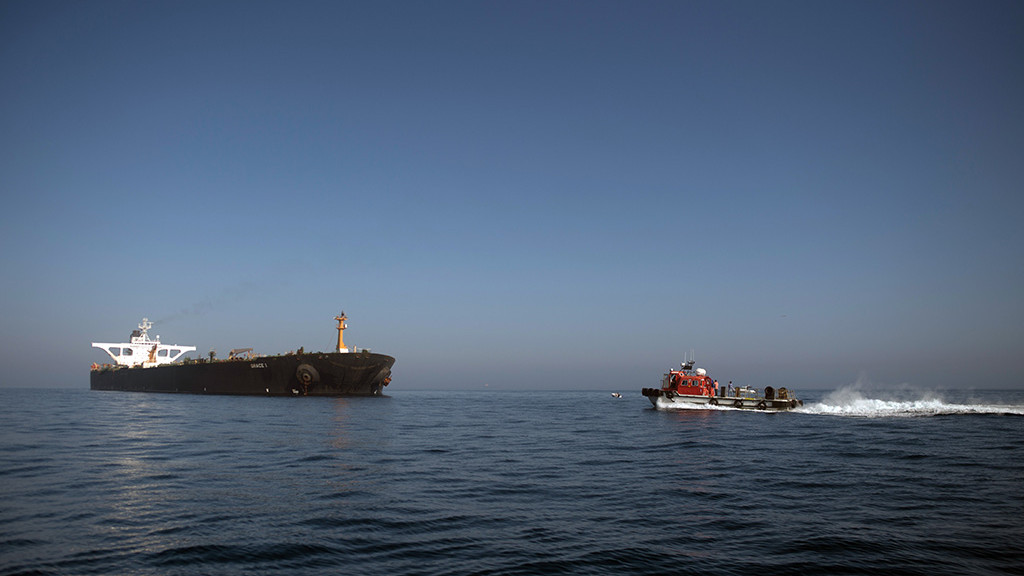
The fragile equilibrium of Middle Eastern maritime commerce relies on unwritten accommodations that bypass formal diplomatic channels. According to intelligence assessments compiled by shipping analytics firm Kpler, crude and condensate exports from the region rebounded robustly toward pre-conflict averages during the final weeks of September. This surprising resilience in physical supply chains points to pragmatic financial understandings established between regional oil exporters and Tehran. For decades, the Strait of Hormuz has functioned as a geopolitical choke point where sovereign posture routinely supersedes commercial logic. However, the economic imperative of maintaining uninterrupted petroleum flows to global markets has forced producing states to adopt transactional diplomacy. By tacitly compensating authorities controlling the northern shores, these exporters have effectively purchased safe transit corridors for tankers carrying millions of barrels daily, insulating international markets from catastrophic supply shocks. While this informal modus vivendi averts an immediate energy price crisis, it profoundly alters the security architecture of the Gulf. Traditional security guarantees provided by external naval powers are increasingly supplemented by bilateral financial appeasement, eroding long-term deterrence. Consequently, shipping insurers and commodity traders must price in the structural volatility of a waterway where commercial survival depends on private arrangements with sanctioned state actors.
Comments 0