Delhi Building Collapse Sparks Renewed Scrutiny of Construction Oversight
A recent structural failure in Delhi's capital district has reignited public concern over building safety standards. Authorities have pledged tighter inspections and harsher penalties for non‑compliant developers.
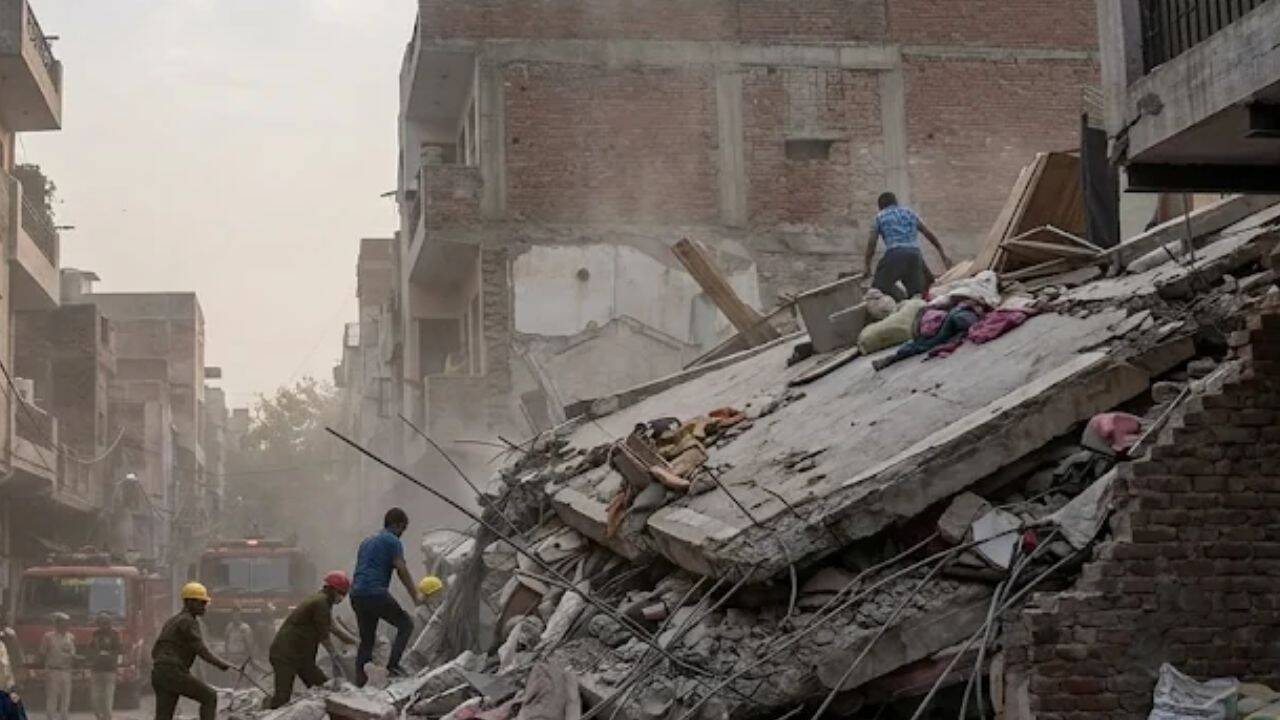
The collapse of a multi‑storey residential block in a densely populated neighbourhood of Delhi left several families displaced and prompted an immediate emergency response from municipal officials. Preliminary investigations revealed that the structure lacked adequate reinforcement and that construction permits had been issued without thorough verification of engineering plans. The incident has been linked to a broader pattern of rapid urban expansion, where developers often prioritize speed over compliance with safety codes, creating a precarious environment for occupants.
In the wake of the tragedy, the Delhi Development Authority announced a comprehensive audit of all high‑rise projects approved in the past five years. The audit will involve on‑site inspections by certified structural engineers, verification of material quality certificates, and cross‑checking of contractor credentials. Simultaneously, the state government has proposed amendments to the Building Bye‑Laws, introducing stricter penalties for violations, including revocation of licences and criminal prosecution for negligent practices. Civil society groups have called for an independent oversight body to monitor compliance and ensure transparency in the approval process.
The incident has also sparked a broader debate about the adequacy of existing regulatory frameworks in rapidly urbanising Indian cities. Urban planners argue that the current system, which relies heavily on self‑certification by developers, is ill‑suited to detect systemic flaws. Housing advocates warn that heightened enforcement could increase construction costs, potentially affecting affordable housing supply. Over the coming months, the balance between safety enforcement and housing affordability will shape policy decisions, with the potential to set a precedent for other metropolitan areas facing similar challenges.
Comments 0