Only one woman among 86 scientists in UK GCSE science material; Cambridge study flags a gap that could push girls away from STEM
A study by the University of Cambridge has revealed that only one woman is mentioned among eighty-six scientists in UK GCSE science curriculum material. Researchers warn that this severe gender representation gap could discourage young female students from pursuing careers in science and technology.
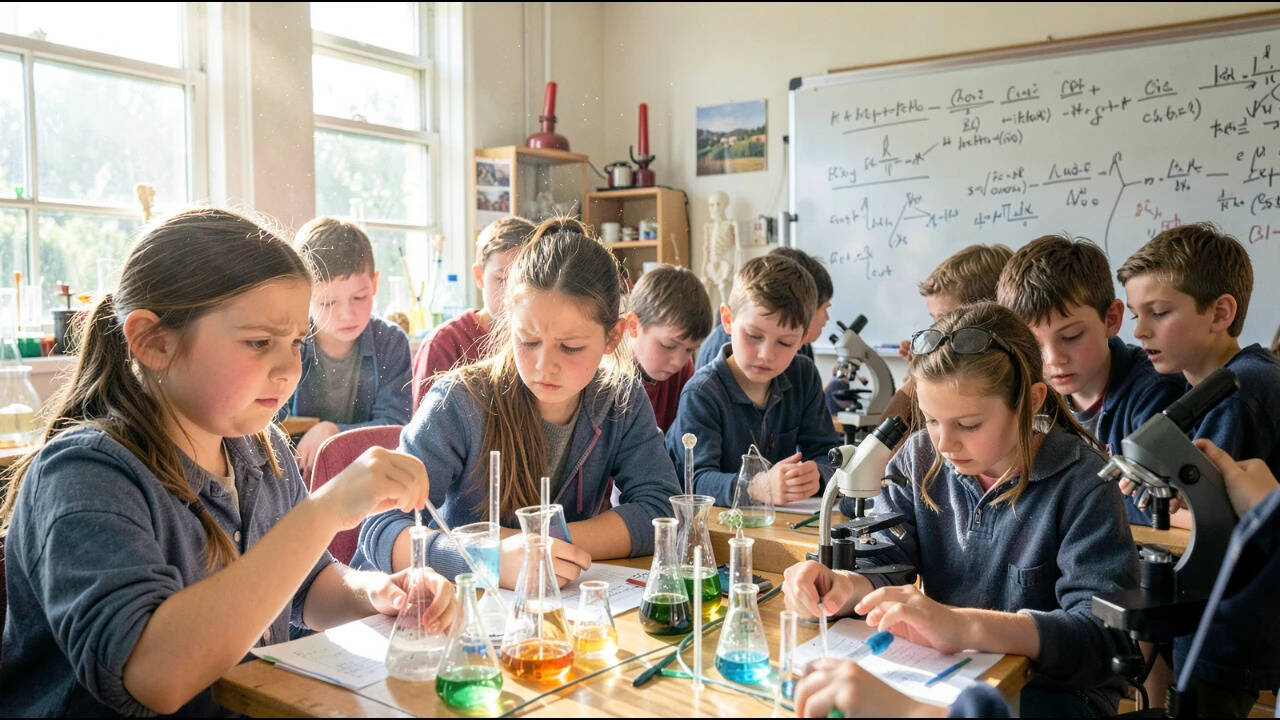
A recent study conducted by researchers at the University of Cambridge has revealed a striking gender disparity within UK science education materials. The research shows that out of eighty-six historical and modern scientists mentioned across the General Certificate of Secondary Education curriculum materials, only one is a woman. This pronounced imbalance highlights how educational resources continue to overlook female contributions to scientific discoveries. Educational experts warn that such overwhelming underrepresentation sends a subtle yet damaging message to young students about who belongs in scientific fields.
The findings raise serious concerns about how curriculum design influences subject choices among secondary school students. When young girls do not see female role models reflected in their textbooks, their interest in pursuing science, technology, engineering, and mathematics subjects often declines. Researchers point out that early exposure to diverse scientific figures is vital for building confidence and academic ambitions among female learners. Without conscious effort from curriculum boards to include pioneering female researchers, efforts to close the gender gap in higher education and technical careers will face persistent hurdles.
For readers in India, this study offers important lessons as educational boards across the country update their own textbooks and teaching strategies. India has been making concerted efforts to encourage female participation in technical disciplines through government initiatives and targeted scholarships. However, textbook representation remains an area where systemic changes are necessary to inspire young learners. Understanding how learning materials in developed countries like the United Kingdom shape student perceptions can help Indian policymakers design more inclusive science curricula that celebrate both national and global achievements by female scientists.
Comments 0