Delhi Construction Collapse Reveals Regulatory Gaps in Urban Development
A partial roof collapse at a hotel under construction in Paharganj, Delhi, has left eight people injured and exposed the fragility of safety protocols in the capital's rapid urban expansion. The incident highlights the systemic failure of oversight mechanisms in managing high-risk construction activities in densely populated areas.
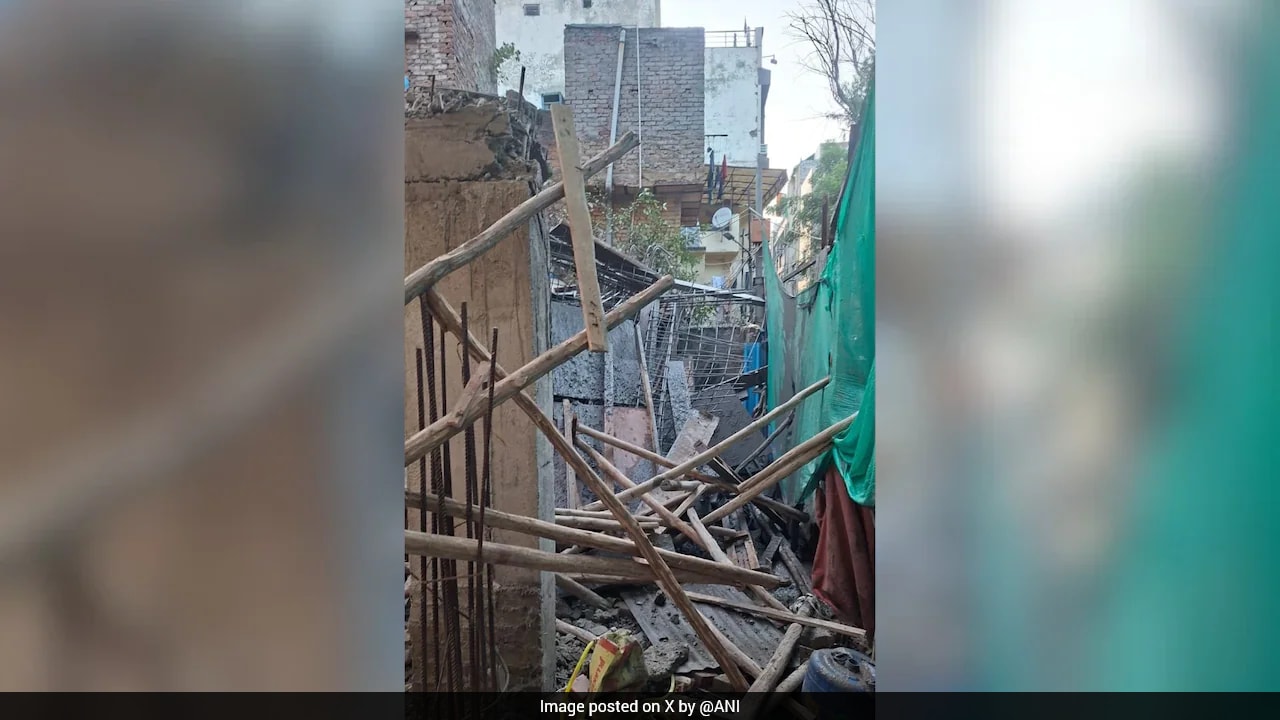
The concrete rupture in Delhi's urban infrastructure is the physical manifestation of a long-standing regulatory deficit. The collapse of the second-floor slab during the laying process in Paharganj, a historically sensitive and densely populated area, underscores the dangers of prioritizing speed over safety in construction. The eight injuries are not just a local tragedy; they are a symptom of a broader failure in the city's ability to enforce building codes and monitor construction sites. The incident has forced a immediate halt to work and a police investigation, but the deeper issue of accountability remains unresolved.
The underlying tension in Delhi's development model is the conflict between the demand for rapid urbanization and the capacity of local authorities to manage the associated risks. The institutional friction is evident in the gap between the ambitious construction projects and the outdated safety regulations that fail to keep pace with modern building techniques. The involvement of private developers in high-profile projects like this hotel exacerbates the problem, as the profit motive often overrides the precautionary principle. The lack of transparent reporting and independent audits in the construction sector allows such failures to go unchecked until a disaster occurs.
The downstream casualties of this incident will extend beyond the immediate injuries. The loss of public trust in the city's construction oversight could lead to a slowdown in new projects, as investors and residents become wary of the safety risks. The tangible outcome is a potential overhaul of the city's building inspection processes, with stricter penalties for non-compliance and a greater emphasis on real-time monitoring. This incident serves as a stark reminder that the cost of neglecting safety in urban development is paid in human lives and economic disruption.
Comments 0