Delhi Court Bars Natasha Narwal From Traveling to UK for Academic Work
The judiciary has denied a travel permit to a key figure in the Delhi riots case, effectively grounding her academic aspirations and signaling a firm stance on the ongoing legal proceedings. This decision underscores the court's determination to ensure the presence of all accused in critical stages of the trial.
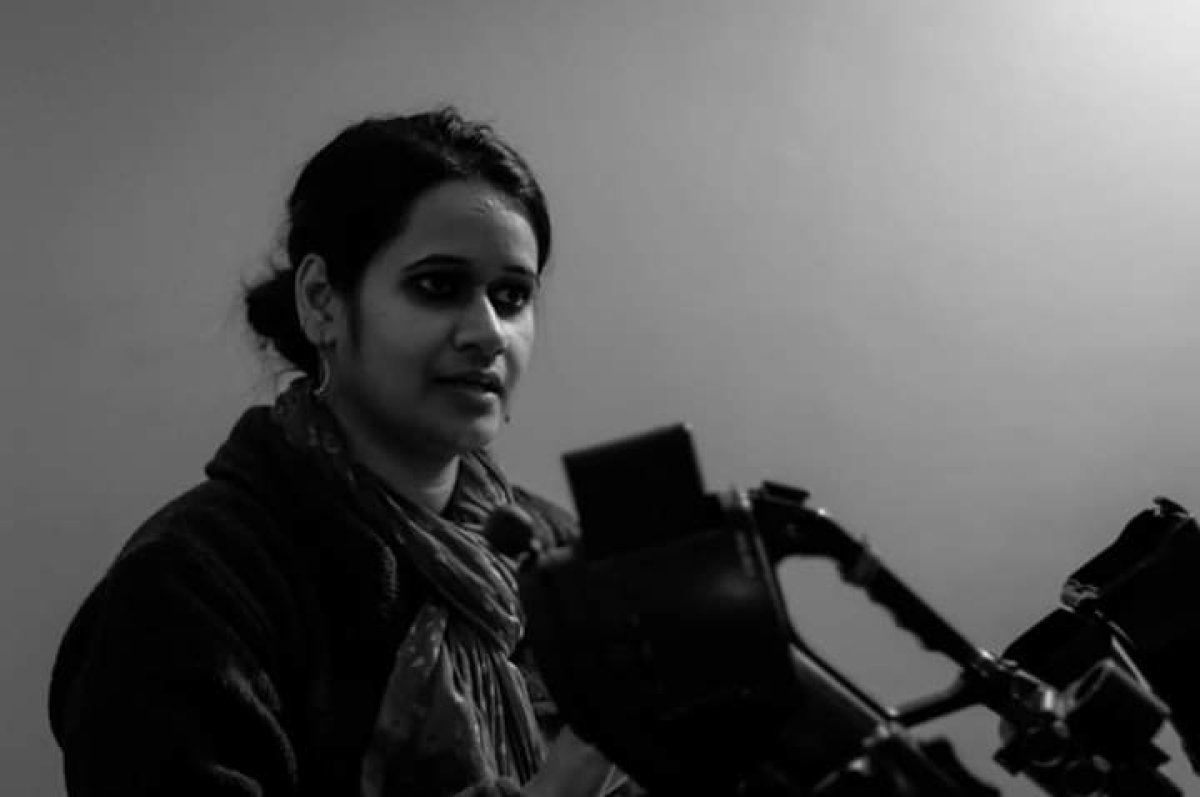
The court's refusal to grant permission for Natasha Narwal to travel to the United Kingdom for an academic conference represents a concrete barrier to her personal and professional movements. As a central figure in the 2020 Delhi riots, her legal status remains under intense scrutiny, and the judiciary has prioritized the integrity of the trial over her academic pursuits. This ruling is not merely administrative but a statement of judicial control, ensuring that no key defendant can evade the immediate reach of the law under the guise of intellectual engagement.
The underlying friction here is between the rights of the accused and the state's interest in justice. The court's decision reflects a broader trend in high-profile criminal cases where travel restrictions are used as a tool to maintain leverage and ensure cooperation. For Narwal, this denial isolates her from the international academic community and reinforces the narrative that her freedom is contingent upon the outcome of the legal process. It highlights the personal cost of being entangled in a case that has become a symbol of communal tension in the capital.
The tangible outcome is the disruption of Narwal's academic trajectory and the reinforcement of the court's authority in managing the case. This move may set a precedent for other accused in similar high-stakes trials, where travel bans are used to prevent potential flight risks or external influence. The decision also serves as a reminder to the public of the ongoing nature of the legal battle, keeping the case in the spotlight and maintaining pressure on the accused to remain within the jurisdiction of the Indian legal system.
Comments 0