Delhi Court Imposes Two‑Year Sentence on Former Official for Inciting Riots
A Delhi court sentenced former municipal officer Tahir Hussain to two years in prison for abusing his position to facilitate violence during the 2020 riots. The verdict underscores a renewed judicial willingness to hold public servants accountable for communal disorder.
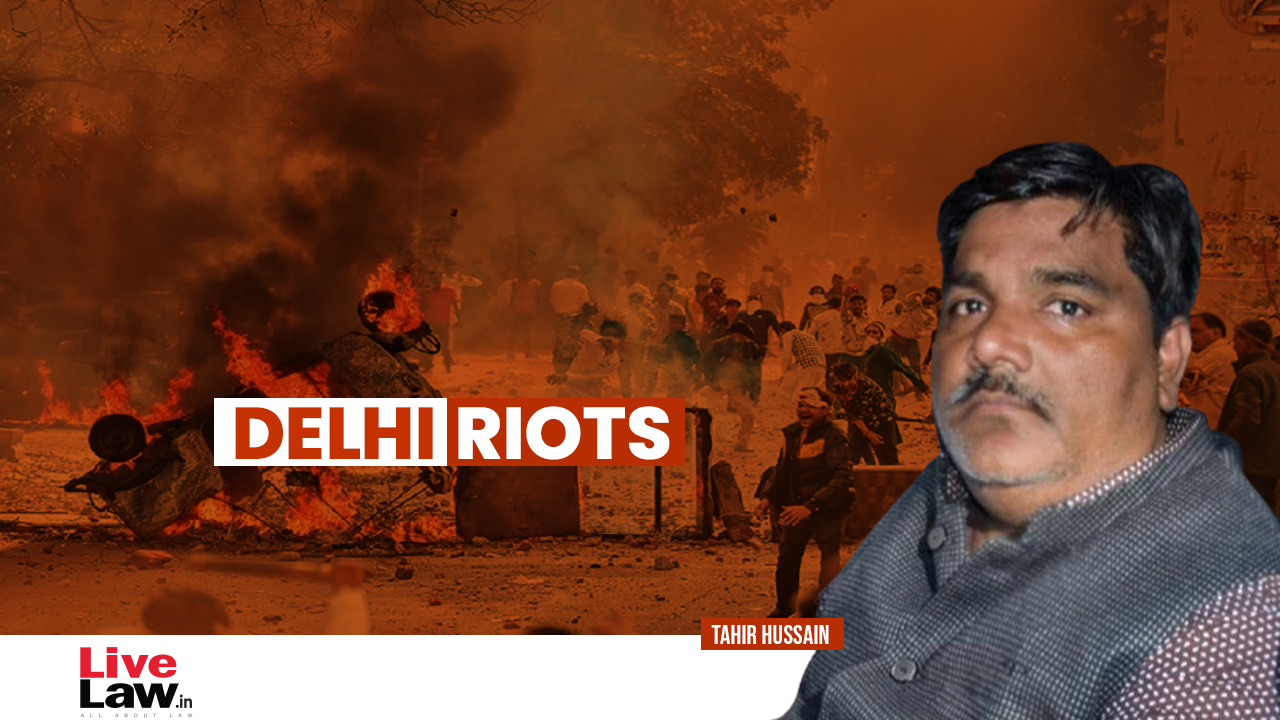
The judgment delivered on October 15 found that Hussain, while serving as a senior official, leveraged his authority to mobilise resources and shield rioters, thereby exacerbating the scale of the violence. Evidence presented included intercepted communications, financial records linking him to procurement of incendiary devices, and testimonies from victims who identified his involvement in coordinating attacks on minority neighbourhoods. The court's decision reflects a broader legal trend of scrutinising the role of bureaucrats in communal clashes, moving beyond mere symbolic condemnation.
Legal scholars note that the sentencing marks a departure from earlier cases where officials received nominal punishments or were acquitted on procedural grounds. The ruling sends a clear signal to the administrative cadre that the judiciary will not tolerate the manipulation of state machinery for sectarian ends. It also places pressure on the Ministry of Home Affairs to review internal oversight mechanisms, potentially prompting reforms in the appointment and monitoring of officers in volatile districts.
The immediate impact is likely to be felt in the political calculus of parties that have historically relied on hard‑line rhetoric to mobilise support. With the judiciary asserting its authority, political actors may recalibrate their strategies to avoid legal exposure, while civil‑society groups anticipate a stronger platform for demanding accountability. Over the coming months, the case could serve as a precedent for other investigations into the complicity of officials in communal violence across the nation.
Comments 0