The Gas Crunch Forces Europe Back to Coal
A severe shortage of liquefied natural gas has rendered Europe's remaining coal-fired power plants profitable for the first time in years. This economic inversion signals a dangerous retreat from decarbonization goals as grid stability demands override environmental policy.
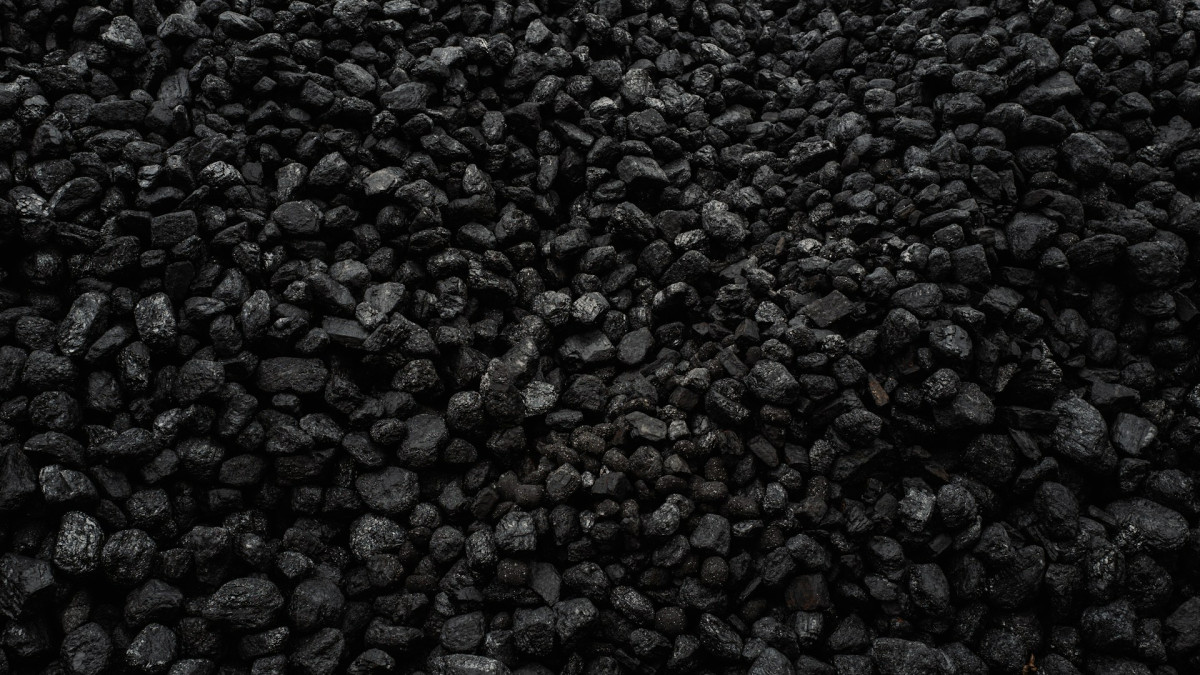
The global energy market has witnessed a stark reversal in the hierarchy of fossil fuels. As the supply of liquefied natural gas tightens, the cost of gas has surged to levels that make coal, long considered a dying industry in the West, the more economical choice for base-load power generation. In Germany and Poland, the last standing coal plants are now operating at a profit, a phenomenon that would have been unthinkable during the previous decade of aggressive green energy transitions. The market has effectively voted for carbon intensity over price stability, forcing utility operators to keep dirty assets online to meet demand.
This shift exposes the fragility of Europe's post-Russia energy architecture. The continent's pivot away from Russian pipelines was intended to secure energy independence, yet it has created a new vulnerability to global LNG price volatility. The underlying tension lies in the mismatch between political rhetoric on climate change and the hard realities of grid management. When gas prices spike, the marginal cost of coal drops below that of gas, creating a perverse incentive for utilities to burn more coal. This institutional friction between long-term climate targets and short-term financial viability is now playing out in real time across the European power grid.
The downstream consequences are immediate and tangible. Carbon emissions in the region are poised to rise, undermining the EU's 2030 reduction targets. Consumers face the prospect of higher electricity bills as the premium on gas is passed through to end users, while the coal industry gains a temporary reprieve from closure. This episode serves as a warning that without a robust and affordable alternative to both gas and coal, the transition to renewable energy remains precarious. The structural consequence is a potential delay in the retirement of coal assets, entrenching the industry's presence in the European energy mix for another decade.
Comments 0