Delhi Descends Into Hazardous Darkness As Air Quality Surpasses Lahore
Delhi has claimed the grim distinction of being the world's most polluted major city, with its Air Quality Index hitting a hazardous 334. This environmental rupture has rendered the capital's air toxic, forcing a public health crisis that outpaces even the severe conditions in Lahore.
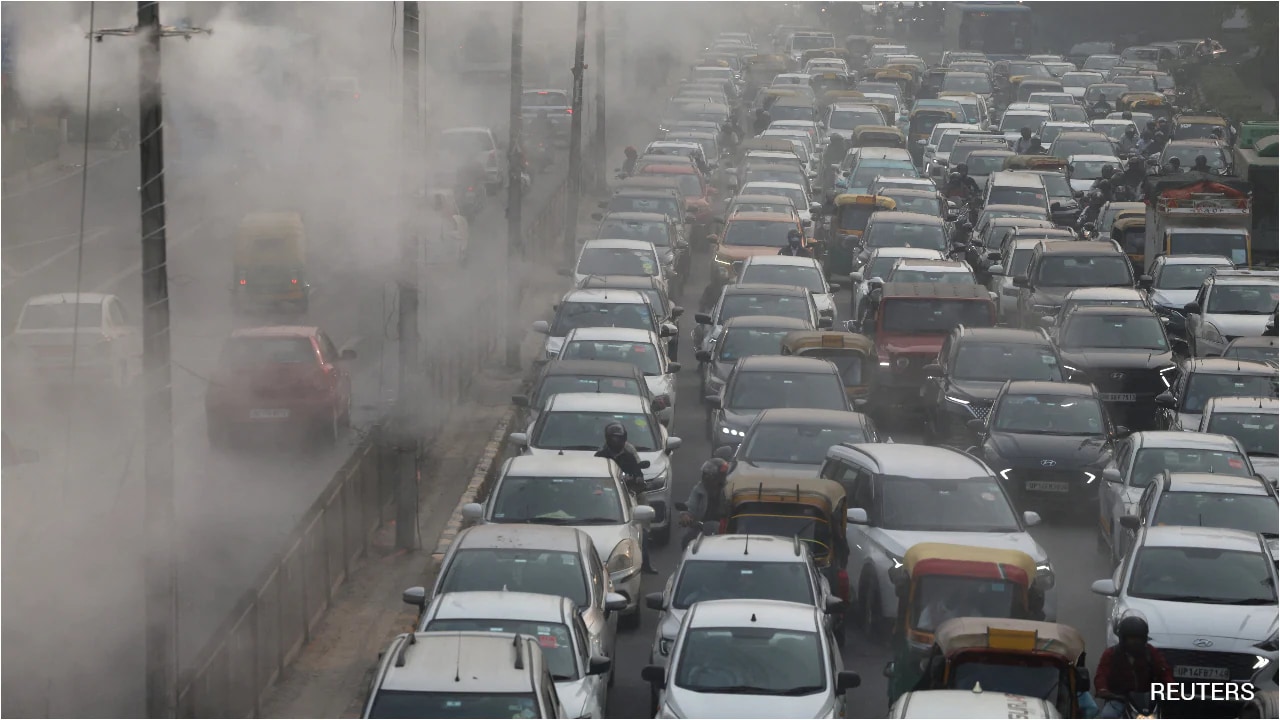
The capital of India has slipped into a suffocating haze that has overtaken Lahore as the most polluted major city on the planet. According to data from the Swiss monitoring group IQAir, the Air Quality Index in Delhi reached 334, a level classified as hazardous. This is not merely a statistical anomaly; it is a tangible degradation of the atmosphere that has turned the city's skyline into a murky, invisible barrier between the sky and the streets below. The concentration of toxins has reached a point where breathing the air becomes a calculated risk for every resident, from the politician in the bungalow to the laborer on the construction site.
The underlying tension driving this crisis is a systemic failure of governance and industrial regulation that has allowed pollution to become a permanent fixture of Delhi's identity. Despite repeated court orders and government pledges, the sources of smog, including stubble burning, vehicle emissions, and construction dust, remain unchecked. The institutional friction is evident in the gap between the severity of the data and the lethargy of the response. The city's infrastructure is ill-equipped to handle the density of its population and the volume of its industrial output, creating a feedback loop where each winter brings a deeper, more dangerous fog.
The downstream casualties of this environmental collapse are measured in hospital admissions and lost productivity. The hazardous air quality places an immediate strain on the respiratory systems of the vulnerable, including children and the elderly, while the broader population faces a long-term erosion of health. This is not just an environmental story; it is a story of economic loss and human suffering. The city's global reputation as a hub of opportunity is tarnished by the reality that its air is among the most toxic on Earth, a consequence that will likely drive a further exodus of the educated and the wealthy in the coming years.
Comments 0