Delhi Faces Severe Post‑Diwali Pollution, Judges Warn of Health Crisis
A senior judge cautioned that post‑Diwali air quality in Delhi will deteriorate to hazardous levels, urging authorities to enforce stricter firecracker controls. The warning underscores mounting public‑health concerns as winter approaches.
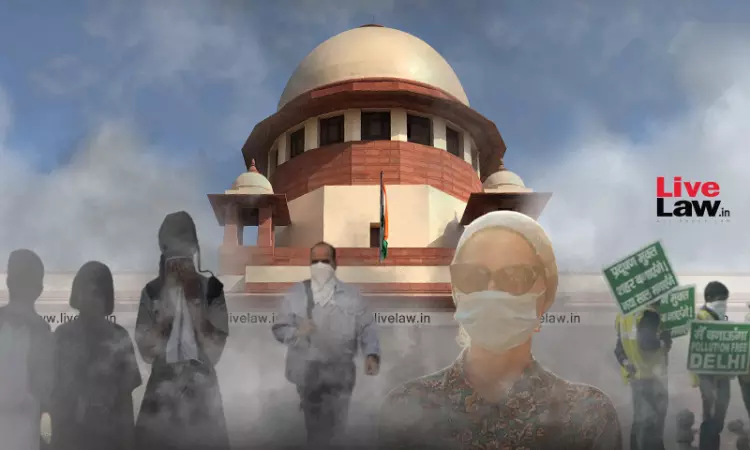
Following the Diwali festivities, Delhi's atmosphere is projected to plunge into a smog‑laden state that exceeds safe thresholds for particulate matter, according to a recent judicial observation. Justice Vikram Nath highlighted that the cumulative effect of firecracker emissions, vehicular exhaust, and stagnant weather patterns could exacerbate respiratory ailments, particularly among vulnerable populations such as children and the elderly. The court's admonition arrives as municipal agencies grapple with enforcement challenges and public resistance to firecracker bans.
The judge's remarks have amplified calls from environmental NGOs for a comprehensive ban on high‑impact fireworks, a measure previously resisted on cultural grounds. Health officials anticipate a surge in hospital admissions for asthma and cardiovascular complications, straining an already burdened healthcare system. The warning also places pressure on the Delhi government to accelerate the rollout of air‑purification initiatives, including the expansion of green corridors and the deployment of real‑time monitoring stations.
In the broader context, the episode reflects a growing tension between traditional celebrations and urban sustainability. If unchecked, the post‑Diwali pollution spike could set a precedent for future festivals, prompting policymakers to embed environmental safeguards into cultural practices. The judiciary's involvement signals a shift toward legal accountability for environmental stewardship, potentially influencing legislative reforms that balance heritage with public health imperatives.
Comments 0