Delhi Grants 47.6 Lakh Deleted Voters a Second Chance
A special drive has been launched in Delhi to restore the electoral rolls of 47.6 lakh citizens who were erroneously deleted. This corrective measure aims to address significant gaps in voter registration ahead of upcoming elections, ensuring broader democratic participation.
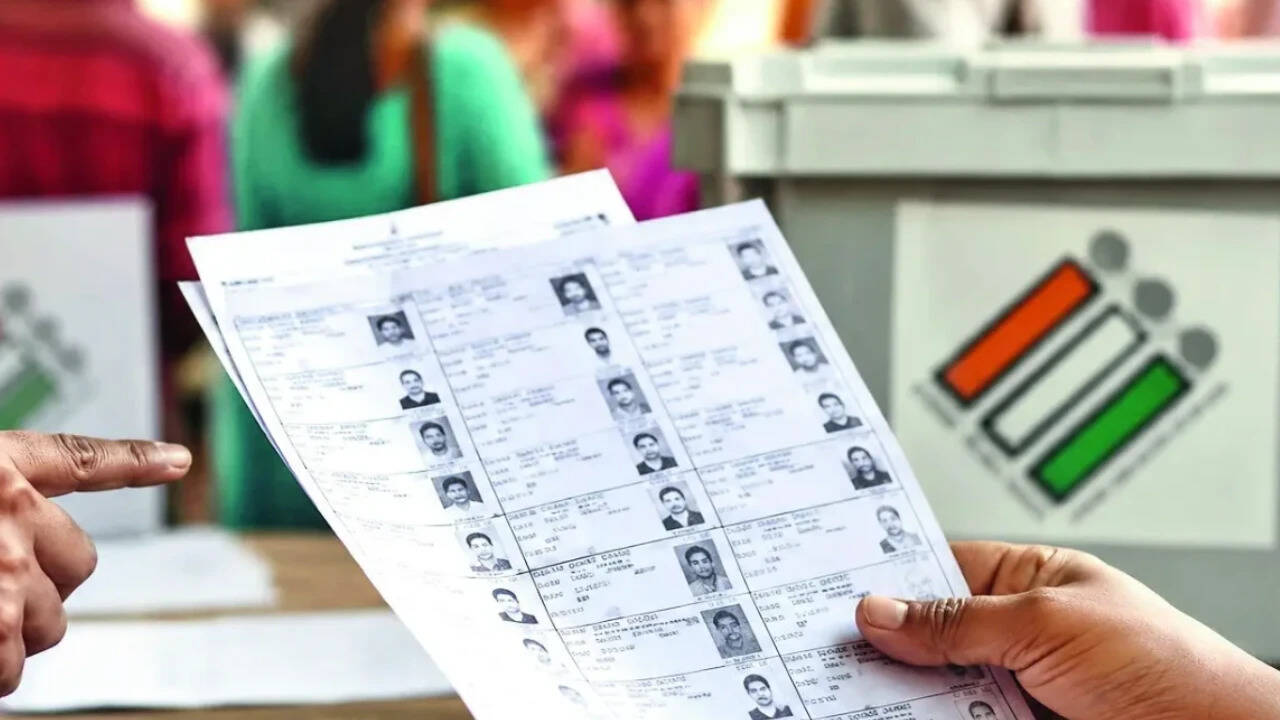
The concrete rupture in the electoral process was the discovery that 47.6 lakh voters in Delhi had been deleted from the electoral rolls, a massive oversight that threatened the integrity of the democratic process. In response, a special drive has been initiated to provide these citizens with a second chance to re-register. This initiative is a direct response to the systemic failures in the maintenance of voter records, which can lead to disenfranchisement and undermine public trust in the electoral system. The scale of the deletion highlights the complexity of managing voter data in a large, dynamic urban population.
The underlying tension stems from the administrative challenges of maintaining accurate voter rolls in a city with high population mobility and frequent data updates. The deletion of such a large number of voters suggests potential errors in the data cleaning process or inadequate safeguards against accidental removal. This friction between the need for data accuracy and the risk of disenfranchisement is a persistent challenge for electoral authorities. The institutional response, in the form of a special drive, reflects an acknowledgment of these failures and a commitment to rectifying them before they impact the electoral outcome.
The downstream consequences of this corrective measure include a more inclusive and representative electoral roll, which is essential for the legitimacy of the election results. The tangible outcome is a restoration of confidence among the affected citizens, who can now participate in the democratic process. However, the incident also raises questions about the robustness of the electoral data management systems and the need for more robust verification mechanisms. This event may lead to a broader review of electoral procedures and data handling practices to prevent similar occurrences in the future.
Comments 0