Delhi High Court Censures Police for Refusing to Oppose Bail Applications
The Delhi High Court reprimanded investigating officers for their reluctance to challenge bail pleas, underscoring a systemic failure to support prosecution. The judgment has sparked calls for procedural reforms within law‑enforcement agencies.
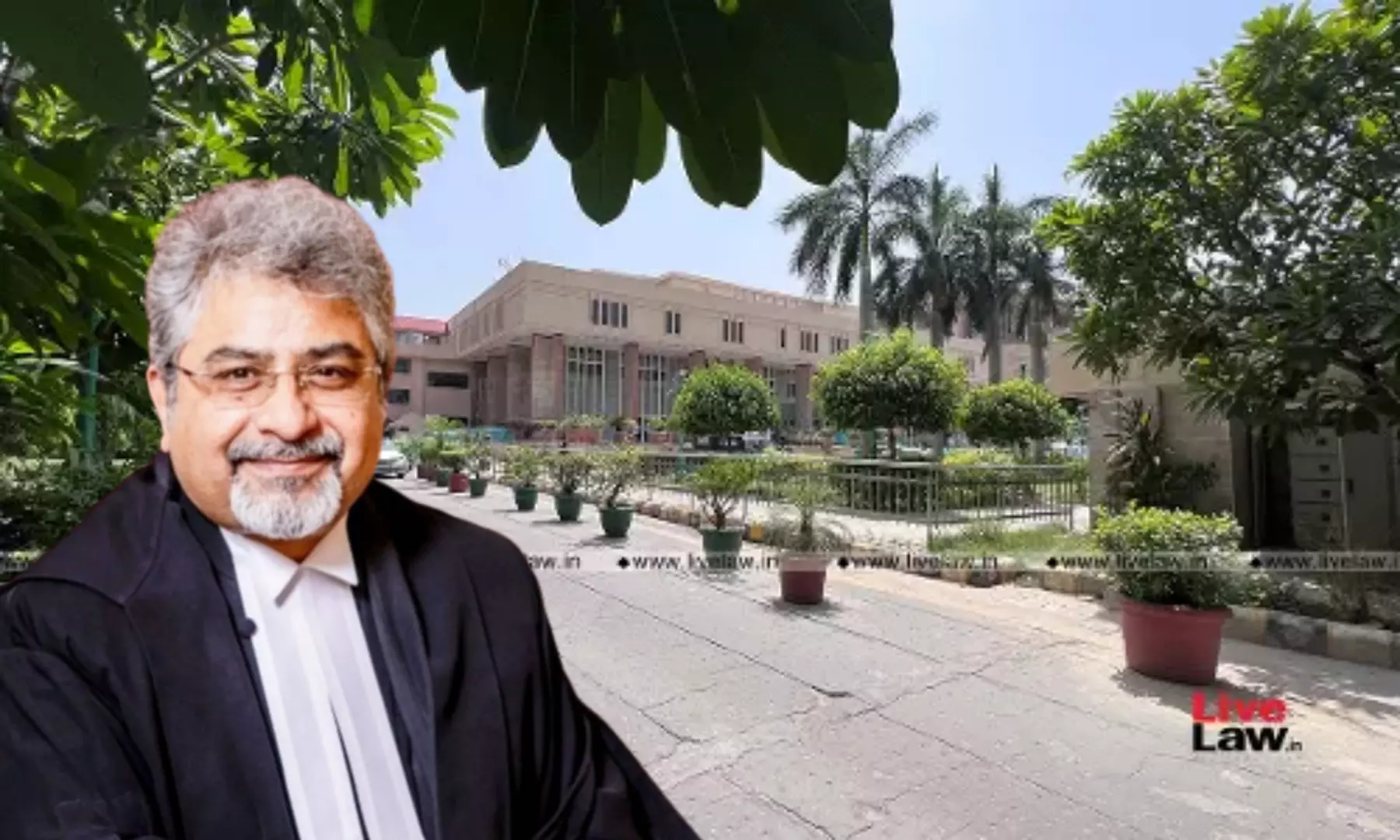
In a recent hearing, the bench highlighted instances where police officers declined to file opposition papers against bail applications, citing a lack of willingness to confront accused individuals. The court noted that such inaction undermines the prosecutorial process, allowing potentially dangerous suspects to secure release without adequate scrutiny. The judges emphasized that the duty of the police extends beyond mere investigation; it includes safeguarding the integrity of the criminal justice system by actively participating in bail deliberations.
The incident reveals a deeper friction between prosecutorial expectations and police operational culture. Investigating officers often face resource constraints, high caseloads, and political pressures that may dissuade them from taking a confrontational stance. Additionally, the legal framework provides limited incentives for police to oppose bail, creating an environment where passive compliance becomes the norm. This disconnect has prompted legal scholars to advocate for clearer guidelines and accountability mechanisms that compel law‑enforcement agencies to fulfill their prosecutorial responsibilities.
The court's censure is likely to trigger a series of administrative responses. Police departments may introduce training programs focused on bail procedures, revise internal protocols to ensure timely filing of opposition, and establish monitoring units to track compliance. Failure to adapt could result in further judicial interventions, potentially affecting the credibility of ongoing investigations. For victims and the broader public, the development promises a more robust defence against premature releases, thereby enhancing confidence in the criminal justice process.
Comments 0