Chief Justice Kant Rebukes Judges for Court Absenteeism
Chief Justice Surya Kant publicly chastised several judicial officers for habitually avoiding courtroom duties, highlighting a pattern of service‑benefit pleas that undermine judicial efficiency. His remarks have ignited a debate over accountability within the higher echelons of the Indian judiciary.
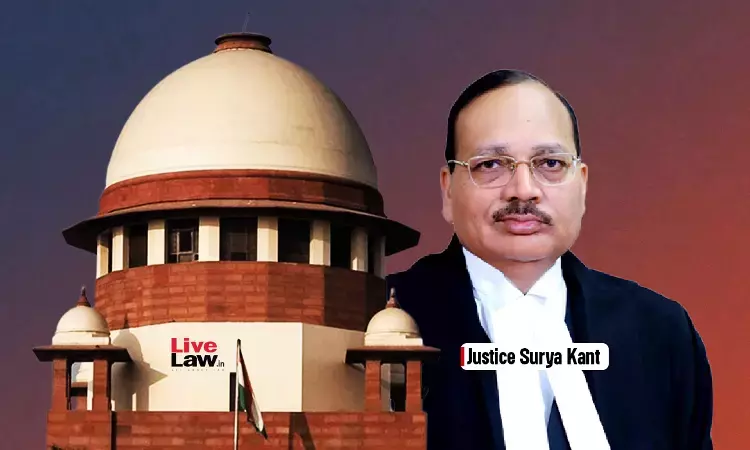
During a routine hearing, the Chief Justice observed that many judges arrived late, spent excessive time in chambers, and frequently cited personal convenience as a reason for missing scheduled proceedings. He recounted specific instances where pleas for service benefits were filed repeatedly, suggesting that such behavior reflected a broader malaise of complacency among senior judicial officers. The remarks were recorded in the court's official minutes, and the Chief Justice warned that continued neglect could erode public trust in the legal system.
The episode exposes a deeper friction between the judiciary's administrative machinery and the expectations of the legal profession. Judges, who traditionally enjoy considerable autonomy, are increasingly confronted with demands for transparent performance metrics and equitable allocation of resources. The surge in service‑benefit petitions points to a perceived disparity in workload distribution, prompting some officers to seek compensatory relief rather than address systemic inefficiencies. This tension is further amplified by recent calls for judicial reforms, including the introduction of performance‑based evaluations and stricter attendance monitoring.
Consequences of the Chief Justice's admonition may manifest in several ways. Senior judges could face formal inquiries, and the judiciary may adopt new guidelines to enforce courtroom presence. Public confidence, already strained by high‑profile delays, could be restored if corrective measures prove effective. Conversely, resistance from within the bench might lead to internal disputes, potentially slowing the implementation of reforms and affecting the pace at which cases are adjudicated across the nation.
Comments 0