Delhi High Court Halts Sainik Farms Banquet Halls Over Permit Violations
The Delhi High Court has ordered the suspension of operations at banquet halls in Sainik Farms due to a lack of statutory permissions. This judicial intervention highlights the ongoing struggle between commercial interests and regulatory compliance in the capital’s real estate sector.
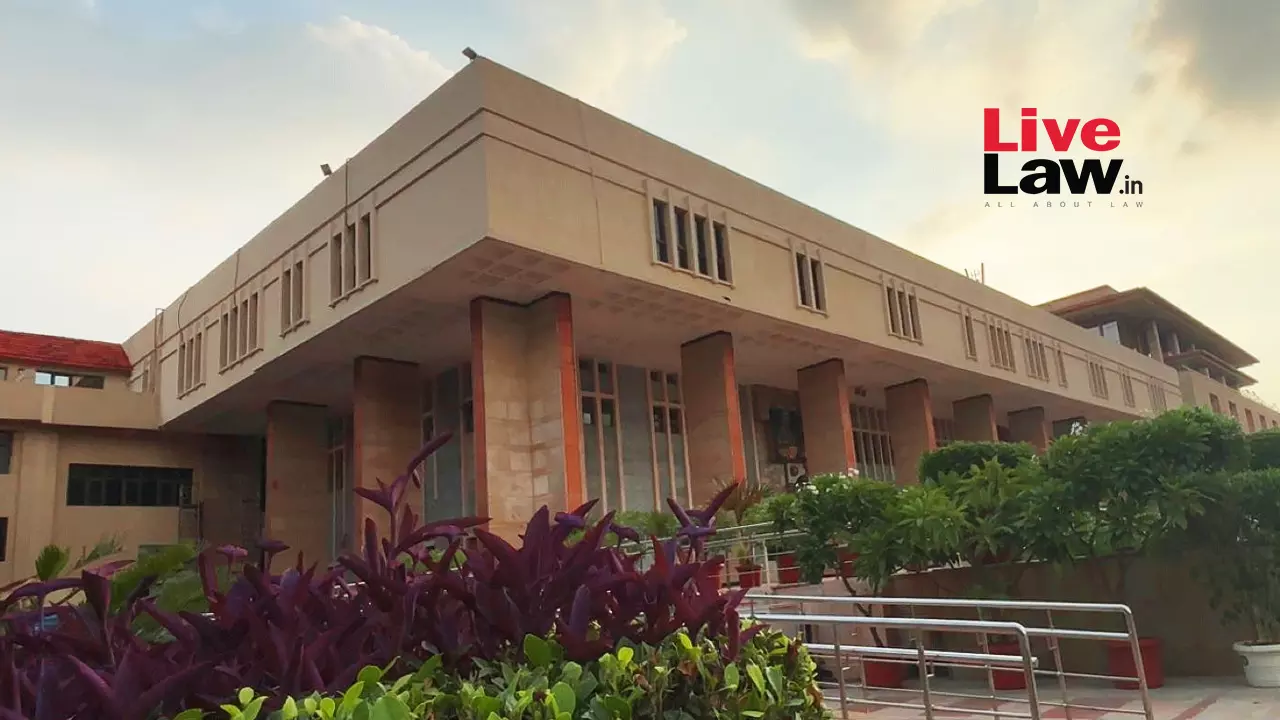
The Delhi High Court’s order to suspend operations at banquet halls in Sainik Farms is a clear assertion of regulatory authority over commercial establishments. The court found that the venues were operating without the necessary statutory permissions, a violation that undermines the rule of law and public safety. This intervention is part of a broader trend of judicial scrutiny of commercial activities in Delhi, where the lack of proper permits has often been a source of conflict between developers and regulatory bodies. The order sends a strong message that compliance with the law is non-negotiable, regardless of the economic importance of the establishments.
The underlying tension in this case is the persistent gap between regulatory requirements and commercial reality. Many businesses in Delhi operate in a gray area, where the cost and complexity of obtaining permits are seen as barriers to entry. This has led to a culture of non-compliance, where businesses operate without proper authorization, relying on the hope that they will not be caught. The court’s order challenges this status quo and forces a reckoning with the legal obligations of commercial operators. It also highlights the need for a more efficient and transparent permitting process that can accommodate the needs of businesses while ensuring compliance.
The downstream consequences of this order are likely to be significant for the banquet hall industry in Delhi. The suspension of operations will result in financial losses for the owners and could lead to job cuts. It may also lead to a shift in the market, as customers seek alternative venues that are in compliance with the law. The order also sets a precedent for other commercial establishments in Delhi, which may face similar scrutiny. This could lead to a broader cleanup of the regulatory environment, ensuring that all businesses operate within the bounds of the law.
Comments 0