Delhi High Court to Adjudicate the Fate of Jantar Mantar as a Protest Space
The Delhi High Court is set to hear a plea challenging the closure of Jantar Mantar, the city's most iconic site for public dissent, as a designated protest area. This legal intervention tests the boundaries of civic space in the capital, pitting the government's security and urban management priorities against the constitutional right to peaceful assembly.
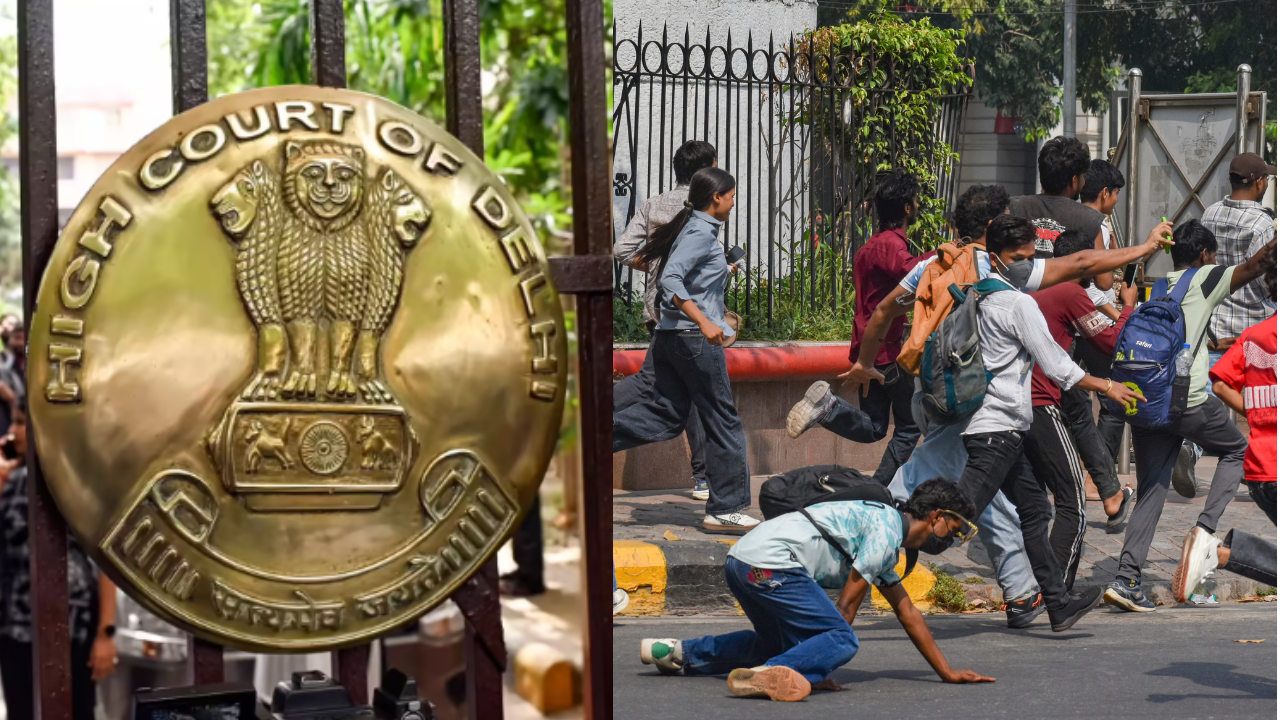
The Delhi High Court has taken up a critical matter regarding the civic identity of the capital, agreeing to hear a petition against the closure of Jantar Mantar as a protest site. The landmark, long associated with political dissent and public grievance, has faced increasing restrictions from the municipal administration, which cites safety, sanitation, and traffic management as reasons for limiting its use. The court's intervention signals a judicial willingness to examine the legal basis for these restrictions, potentially setting a precedent for the management of public spaces in India's largest metropolis.
The underlying tension in this case reflects a broader conflict between the state's desire to control urban disorder and the citizen's right to express dissent in a visible, central location. Jantar Mantar has historically served as a barometer for public sentiment, hosting protests on issues ranging from labor rights to environmental concerns. The move to close it off suggests a shift in governance strategy, where the state seeks to marginalize dissent by removing its physical stage, a tactic that critics argue undermines the democratic fabric of the city.
The outcome of this hearing will have immediate and tangible effects on the political of Delhi. If the court rules in favor of the petitioners, it will reaffirm the sanctity of Jantar Mantar as a site of democratic expression, likely leading to a resurgence of protests and a reassertion of civic rights. Conversely, a ruling in favor of the government could embolden authorities to impose stricter controls on public gatherings, potentially driving dissent underground or to less visible locations, thereby altering the dynamics of political mobilization in the capital.
Comments 0