Delhi Metro Adds Twenty Weekday Services Amid Severe Air Pollution
The Delhi Metro announced an extra twenty weekday trips starting Tuesday as the city’s air quality index surged to 324, prompting the enforcement of Graded Response Action Plan level 2 restrictions. The move aims to alleviate commuter congestion while encouraging a shift from private vehicles to public transit.
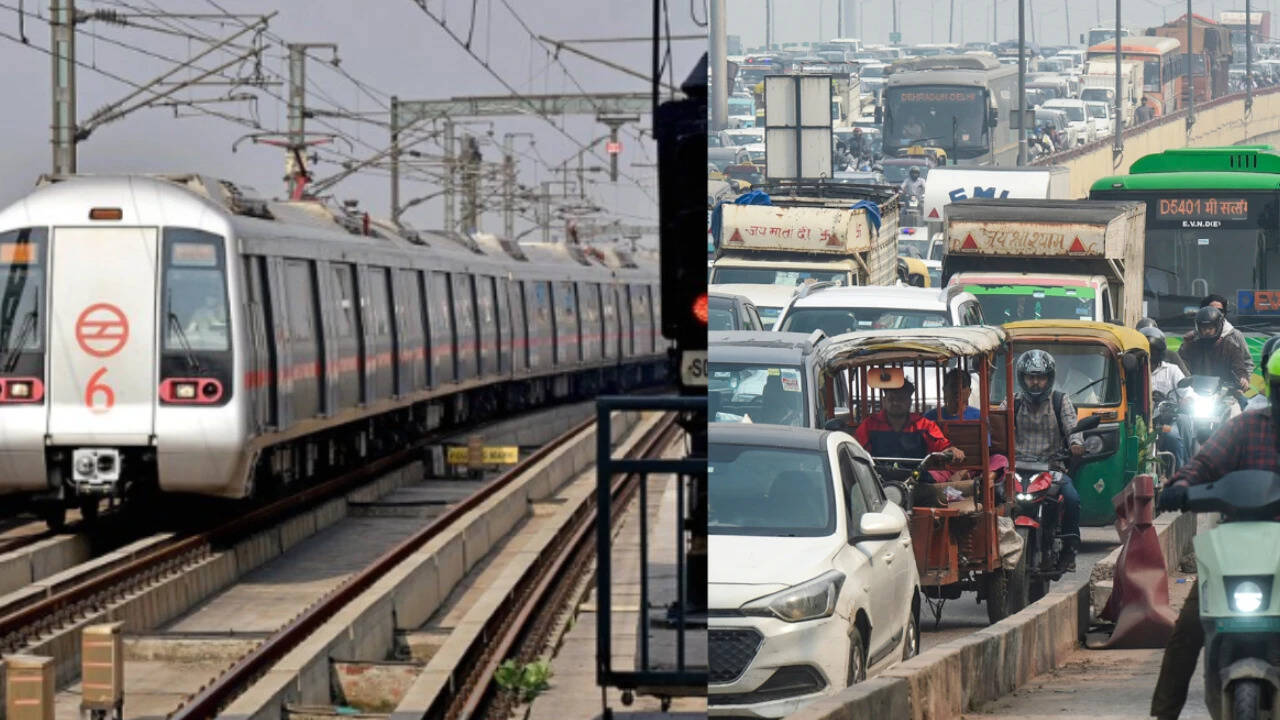
The decision to increase service frequency came after the Delhi government declared a severe air‑quality emergency, with particulate matter levels far exceeding safe thresholds. By allocating additional rolling stock and staff, the metro authority hopes to provide a viable alternative for commuters who might otherwise resort to personal cars or two‑wheelers, thereby curbing further emissions. The operational expansion required rapid coordination across maintenance depots, signaling a high level of institutional responsiveness under pressure.
Underlying the service boost is a clash between public health imperatives and the city’s entrenched reliance on motorised transport. The Graded Response Action Plan, designed to trigger incremental measures as pollution worsens, has forced municipal agencies to confront the limits of existing infrastructure. While the metro’s capacity increase offers immediate relief, it also highlights the need for longer‑term investments in clean‑energy transit solutions and stricter vehicular emission standards.
The downstream impact includes a modest reduction in road traffic during peak hours, which may translate into lower exposure to harmful pollutants for commuters. Businesses near metro stations could experience a surge in footfall, while the transport sector may see a temporary uplift in revenue. Over the next twelve months, sustained air‑quality challenges could accelerate policy shifts toward expanded public‑transport networks and stricter enforcement of emission norms.
Comments 0