Delhi Metro Advances First Train to 5.15 am During Chhath Festivities
From November 18 to 22, the Blue, Pink and Yellow lines will commence service at 5.15 am to accommodate commuters returning after Chhath Puja. The schedule alteration aims to ease crowding at stations near riverfront temples.
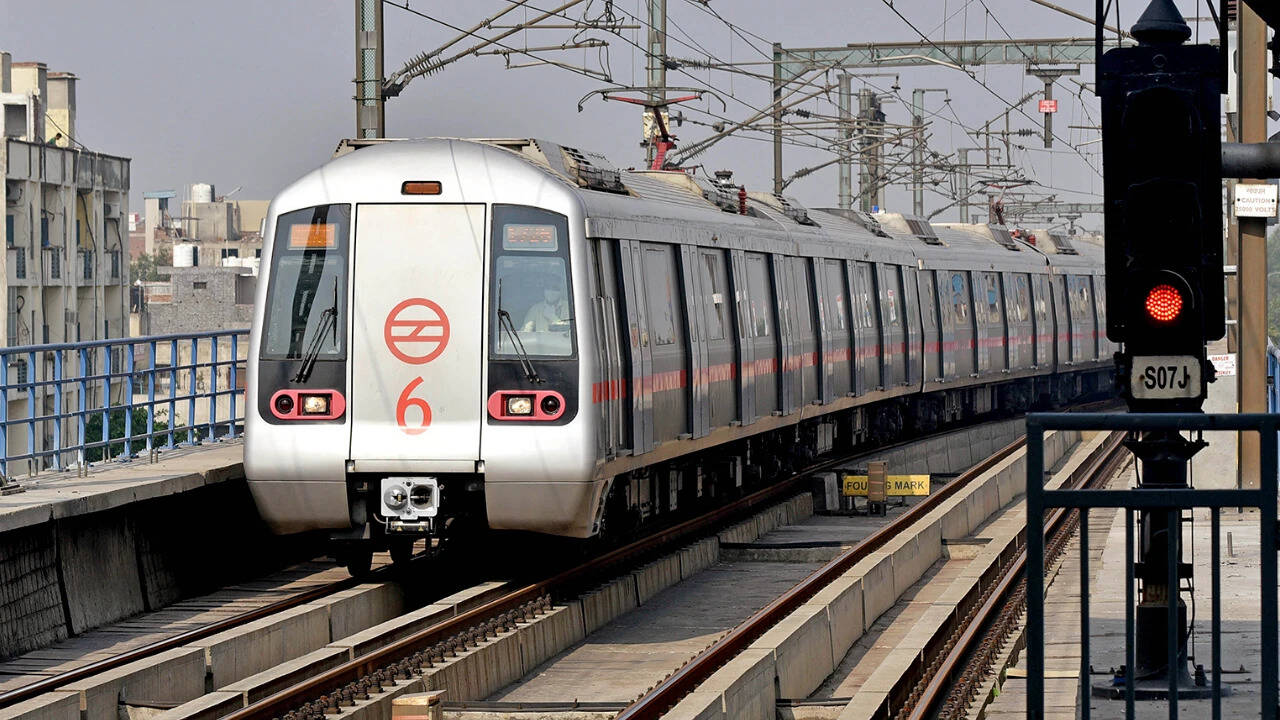
In response to the surge of pilgrims travelling back to the capital after the Chhath Puja celebrations, Delhi Metro has announced an early start for its Blue, Pink and Yellow corridors. Beginning on November 18, the first train will depart at 5.15 am, a departure time earlier than the usual schedule, and will continue through the weekend of November 22. The decision was communicated through official channels and station notices, highlighting the intent to disperse passenger volumes that traditionally peak during the post‑festival exodus.
The operational shift reflects a balancing act between meeting commuter demand and maintaining system reliability. Metro officials cited data from previous festivals that showed bottlenecks at key interchange stations, particularly those serving routes to the Ganga riverbanks where many devotees congregate. By advancing the first departure, the authority hopes to provide a smoother flow for early‑morning travelers, reduce platform congestion, and minimise the risk of delays that could ripple through the network during peak hours.
If the early‑train experiment proves effective, it may become a recurring feature for future religious observances and large‑scale events, prompting a re‑evaluation of Delhi Metro’s peak‑hour planning. The initiative could also influence commuter expectations, encouraging a shift toward off‑peak travel and potentially easing pressure on road traffic in the surrounding districts. In the longer term, the practice may be adopted by other urban transit systems across India seeking to accommodate festival‑driven mobility patterns.
Comments 0