Delhi Metro Deploys Extra Services to Mitigate Ongoing Transport Strike
Transit authorities introduce supplementary train trips to absorb commuter overflow caused by the protracted municipal bus strike. This emergency scheduling prevents severe urban paralysis across the national capital region.
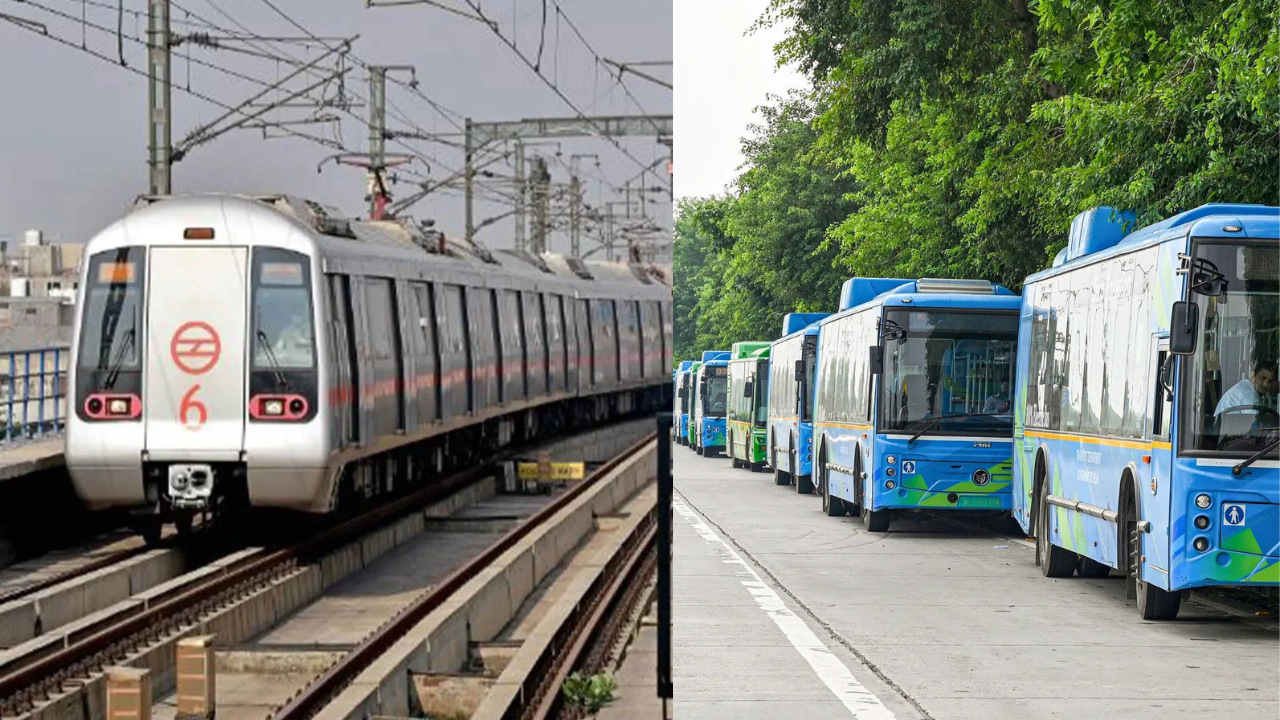
The ongoing municipal bus strike in Delhi forced mass transit authorities to activate emergency operational protocols across the metropolitan subway network. Commuters flooding underground stations faced severe congestion as hundreds of thousands of daily riders scrambled for alternative transport. In response, operators increased train frequencies and deployed additional rolling stock to maintain basic mobility across critical commuter arteries. Labor disputes within public municipal corporations frequently expose the fragile interdependence of urban infrastructure systems. When one public transit vector fails, the burden instantly cascades onto remaining networks, testing the physical limits of rolling stock and station crowd control. Municipal administrators find themselves caught between striking union demands for wage adjustments and public pressure to keep the city functioning without interruption. Daily wage earners and office workers bear the immediate brunt of the transit disruption through lost productivity and extended travel delays. The operational strain on subway infrastructure accelerates wear and tear on signaling and braking systems, requiring accelerated maintenance cycles. Ultimately, the strike underscores the urgent need for resilient multi-modal transit coordination in densely populated urban centers.
Comments 0