Delhi Metro Security Breach: Pro-Khalistan Graffiti and Arrests
Three individuals have been arrested after pro-Khalistan graffiti targeting actor Diljit Dosanjh was found at Delhi Metro stations. This incident highlights the persistent security challenges and the sensitive nature of political and cultural symbols in the capital.
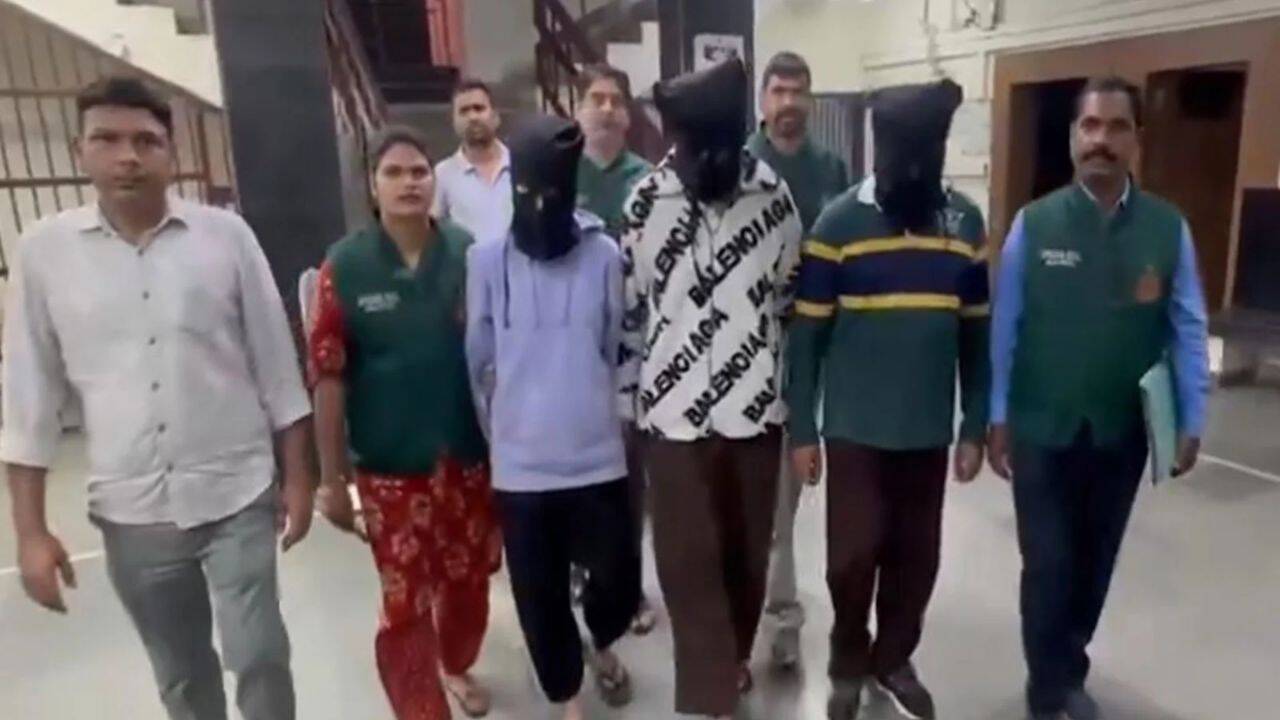
The discovery of pro-Khalistan graffiti at Delhi Metro stations, specifically targeting the popular actor Diljit Dosanjh, has led to the arrest of three individuals. This concrete rupture in public order underscores the ongoing security concerns in the capital, where the metro system serves as a critical artery for millions of commuters. The immediate shockwave is a heightened state of vigilance among security forces, who are now conducting thorough inspections of all metro stations to prevent similar incidents. The incident has also sparked a debate about the role of public figures in political discourse and the potential for their actions to be misinterpreted or exploited.
The underlying tension reflects a broader institutional friction between security agencies and the public, where the line between free expression and sedition is often blurred. The pro-Khalistan movement, though largely marginalized, continues to pose a threat to national security, and any public display of its symbols is viewed with suspicion. This institutional friction is exacerbated by the fact that the metro system is a high-profile target, making it a prime location for such acts of vandalism. The result is a security environment where the focus is on prevention and rapid response, rather than on addressing the root causes of political dissent.
The downstream casualties of this incident are the commuters, who are subjected to increased security checks and delays. The tangible outcome is a more secure but less convenient metro system, where the focus on safety comes at the cost of efficiency. Over the next year, this trend may lead to a more militarized approach to public transport security, with the deployment of additional personnel and technology. The long-term consequence is a normalization of security measures that, while necessary, may erode the sense of freedom and ease that the metro system is meant to provide.
Comments 0