Maharashtra CID Grants Handlers Custody of Retired Sniffer Dogs
The Maharashtra Crime Investigation Department has approved a policy allowing police handlers to retain their trained sniffer dogs after retirement, aiming to preserve the bond forged during service. The decision has sparked debate over animal welfare, resource allocation and the future of canine units within law enforcement.
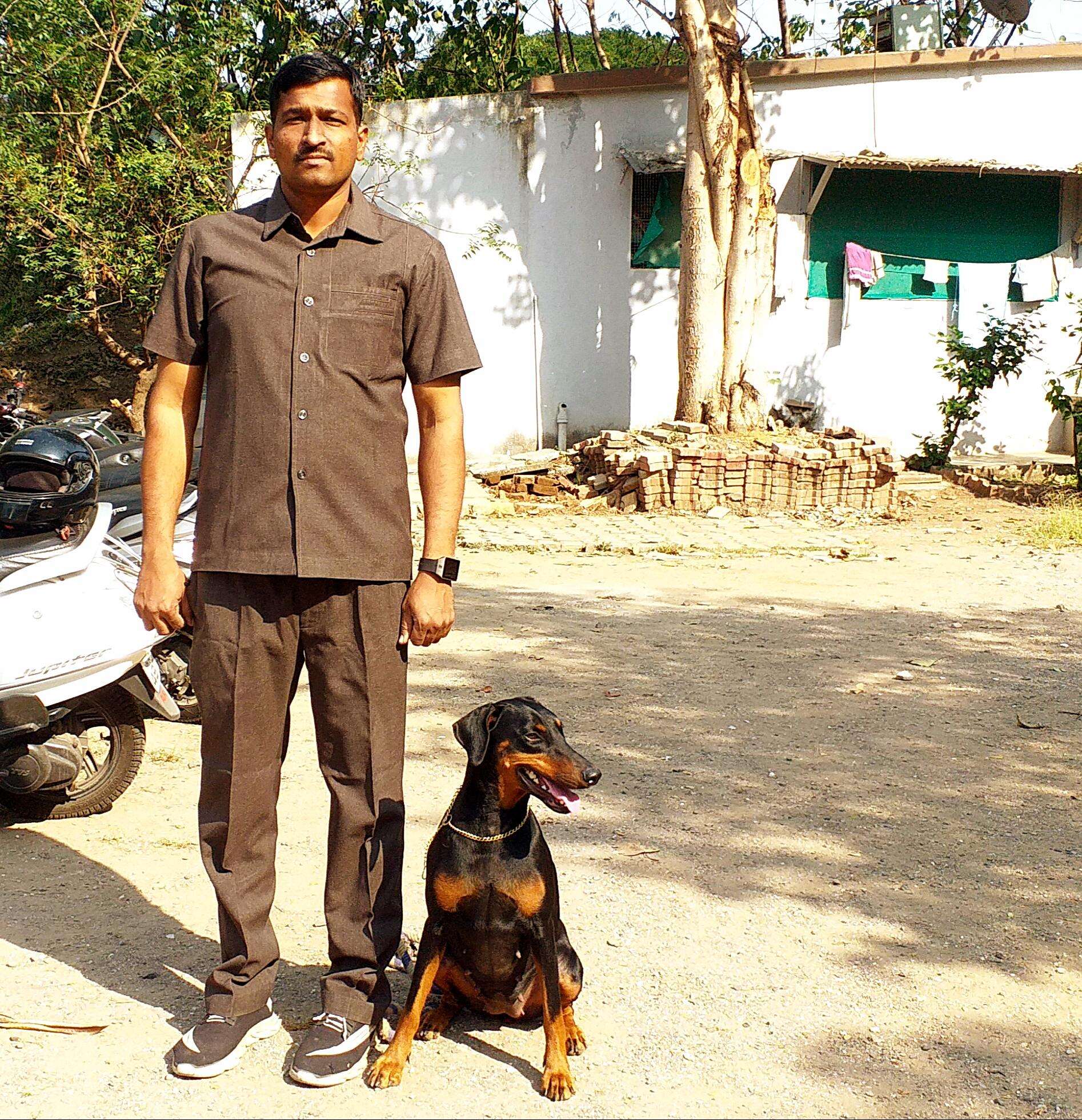
In a move that intertwines operational pragmatism with emotional attachment, the Maharashtra CID announced that handlers of retired sniffer dogs may now adopt the animals, provided they meet stipulated criteria. The policy, unveiled after months of internal deliberation, seeks to honor the partnership between officer and canine, acknowledging the years of joint service in narcotics detection, explosives identification and other high‑risk operations. Proponents argue that allowing handlers to keep the dogs reduces the burden on shelters and respects the deep trust cultivated during active duty.
The initiative, however, has ignited friction between the CID and animal‑rights groups, who caution that the transition from service to private ownership may overlook the dogs' specialized training needs. Critics contend that the policy could set a precedent for other states, potentially straining resources as retired dogs require ongoing veterinary care and appropriate living conditions. Within the department, senior officials are wrestling with the logistics of documenting each dog's health status and ensuring that adoption does not compromise future recruitment or training pipelines.
If the policy endures, it may reshape the operational of police canine units across India. Handlers who retain their dogs could serve as informal ambassadors for the program, encouraging responsible stewardship and possibly inspiring community‑based support initiatives. Conversely, any missteps could trigger legal challenges or public outcry, compelling the CID to revisit its stance. The coming months will reveal whether the bond between officer and animal can translate into a sustainable model for post‑service care.
Comments 0