Delhi-NCR schools up to Class 5 shift to hybrid mode as AQI turns severe, GRAP Stage III invoked
Schools in Delhi and the National Capital Region have shifted classes up to Grade 5 to a hybrid model due to severe air quality. The move follows the invocation of GRAP Stage III, which mandates restrictions on non-essential activities to reduce pollution levels.
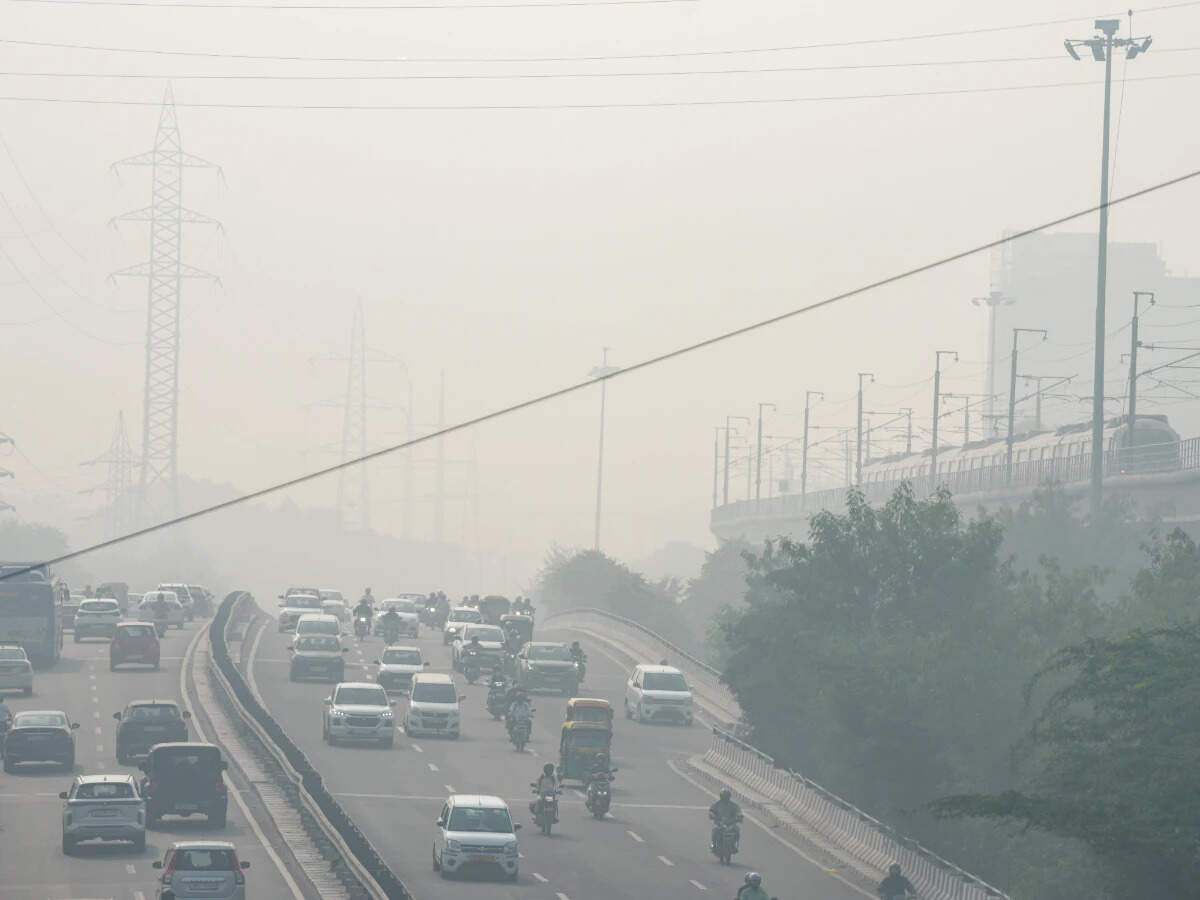
Educational institutions across Delhi and the National Capital Region have been directed to adopt a hybrid learning model for students up to Class 5. This decision comes in response to the Air Quality Index reaching severe levels, prompting authorities to invoke Stage III of the Graded Response Action Plan. Under this protocol, schools must balance in-person attendance with online classes to limit the time young children spend outdoors in polluted air. The shift is part of a broader set of emergency measures designed to protect public health during periods of extreme smog.
The Graded Response Action Plan is a pre-planned framework that triggers specific actions based on air quality readings. Stage III involves strict controls on construction sites, industrial operations, and vehicular movement to curb emissions. For schools, the hybrid mode serves as a practical compromise, allowing students to continue their education while reducing their exposure to harmful particulate matter. Parents are advised to monitor local air quality updates and ensure their children have the necessary technology for remote learning sessions.
For residents of India, particularly those in the NCR, this incident highlights the recurring challenge of managing education during seasonal pollution spikes. The reliance on hybrid models underscores the need for robust infrastructure in schools to support digital learning seamlessly. It also emphasizes the importance of community awareness and compliance with environmental directives. As air quality fluctuates, families must stay informed about official announcements to make safe decisions regarding their children's daily routines and health.
Comments 0