Delhi Passes Air Quality Benchmarks Yet Misses Waste Targets
The Capital’s air‑quality monitoring agency reported compliance with national pollution standards, while the city fell short on waste‑management and dust‑control objectives. The mixed results sparked debate over the effectiveness of existing environmental policies.
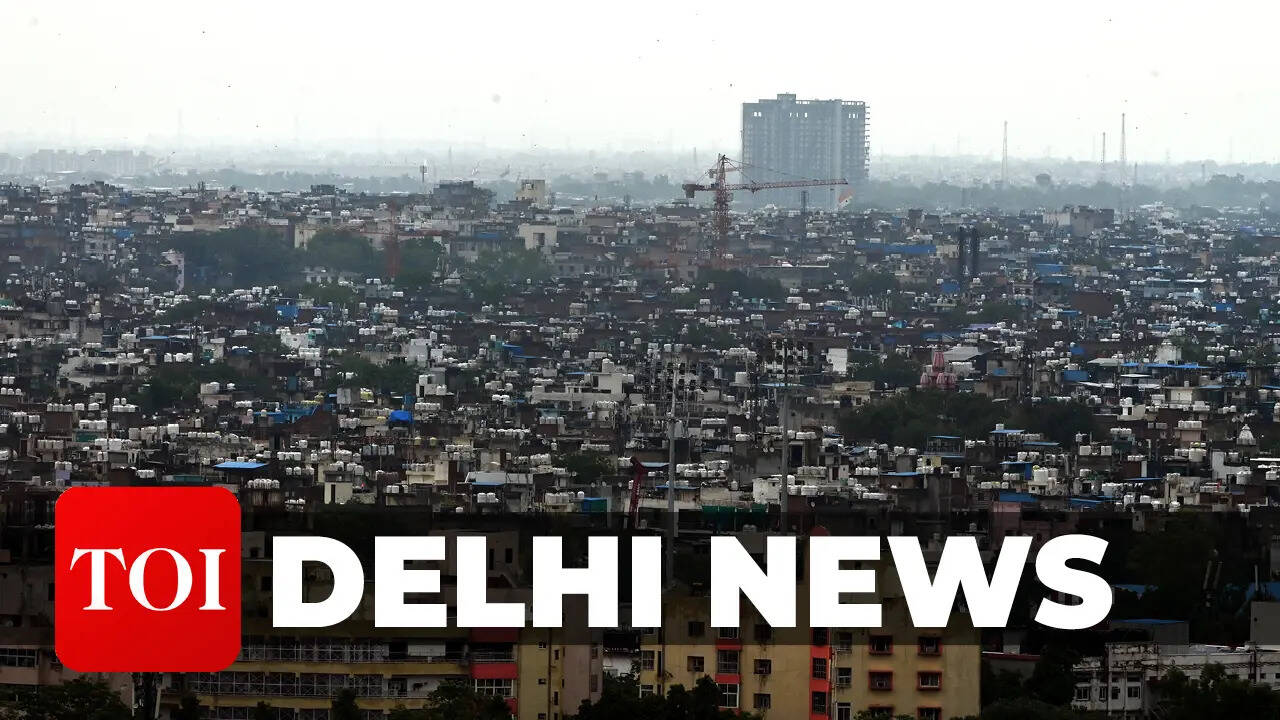
The Central Pollution Control Board’s latest assessment showed that Delhi met the prescribed limits for key airborne pollutants, including PM2.5 and nitrogen oxides, for the reporting period. This achievement reflects intensified vehicular restrictions, expanded green‑cover initiatives, and stricter industrial emissions monitoring. The concrete rupture lies in the city’s ability to translate policy into measurable air‑quality improvements.
Underlying tension emerged as the same report highlighted the city’s failure to achieve targets for solid‑waste segregation and construction‑site dust suppression. Municipal authorities cited logistical challenges and funding shortfalls, while environmental activists argued that fragmented governance hampers coordinated action. The divergence underscores institutional friction between the state’s pollution board and local waste‑management agencies.
Consequences of the uneven performance include continued health risks for residents in neighborhoods where waste accumulation persists, and potential penalties from the central government for non‑compliance. The disparity may also influence future budget allocations, prompting a re‑evaluation of priorities to ensure holistic environmental stewardship across air and waste domains.
Comments 0