Delhi Police Defends Digital and Physical Curbs in Supreme Court
Delhi Police has filed an affidavit in the Supreme Court to justify the sweeping restrictions on metro services, road access, and internet connectivity imposed during the October 10 protest. The defense argues that these measures were necessary to maintain public order, a claim that faces intense scrutiny regarding proportionality and civil liberties.
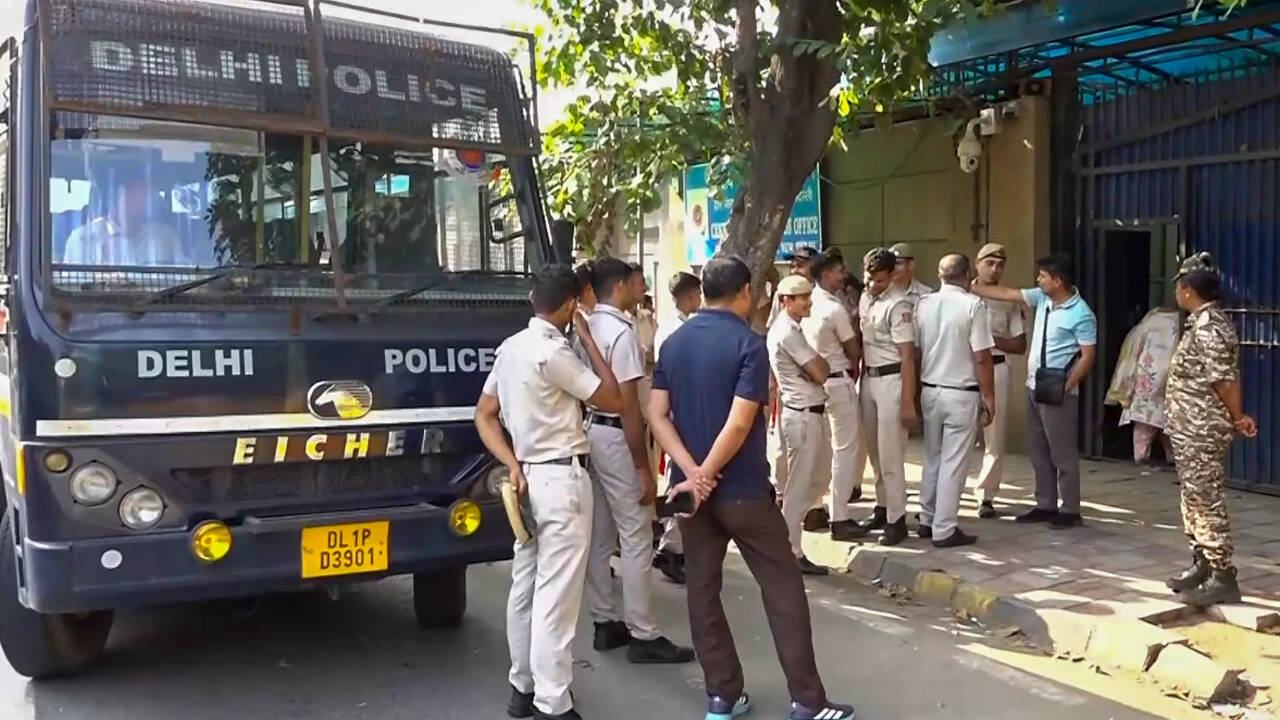
The Supreme Court is currently examining the legality of the restrictions imposed by Delhi Police during the October 10 protest. The police have submitted an affidavit asserting that the shutdown of metro lines, closure of key roads, and throttling of internet services were essential to prevent violence and ensure the safety of citizens. This legal defense places the onus on the state to demonstrate that the measures taken were strictly necessary and proportionate to the threat posed by the protest. The court's evaluation will hinge on whether the disruption to daily life and communication was a reasonable response to the situation on the ground.
The friction between public order and civil liberties has become a central theme in recent legal disputes. The use of internet shutdowns, in particular, has drawn criticism from human rights organizations and legal experts who argue that such measures disproportionately affect the right to information and freedom of expression. The police affidavit must address these concerns and provide concrete evidence that the curbs were not punitive but protective. The outcome of this case will influence how future protests are managed in the capital and potentially across the country.
The tangible outcome of this legal battle will shape the operational guidelines for law enforcement during large-scale demonstrations. If the court upholds the police's actions, it may set a precedent that allows for broader restrictions in future incidents, potentially chilling dissent. Conversely, a ruling against the police could mandate stricter oversight and limit the scope of such curbs, thereby reinforcing the rights of protesters. The decision will have immediate implications for the digital infrastructure of the city and the trust between the public and the police.
Comments 0