Union Home Secretary Seeks Supreme Court Permission to Suspend Internet in Future Protests
The Union Home Secretary filed an affidavit asking the Supreme Court to relax its earlier order and permit future internet suspensions under defined safeguards. The move has ignited a legal contest that could reshape the balance between state authority and digital freedoms.
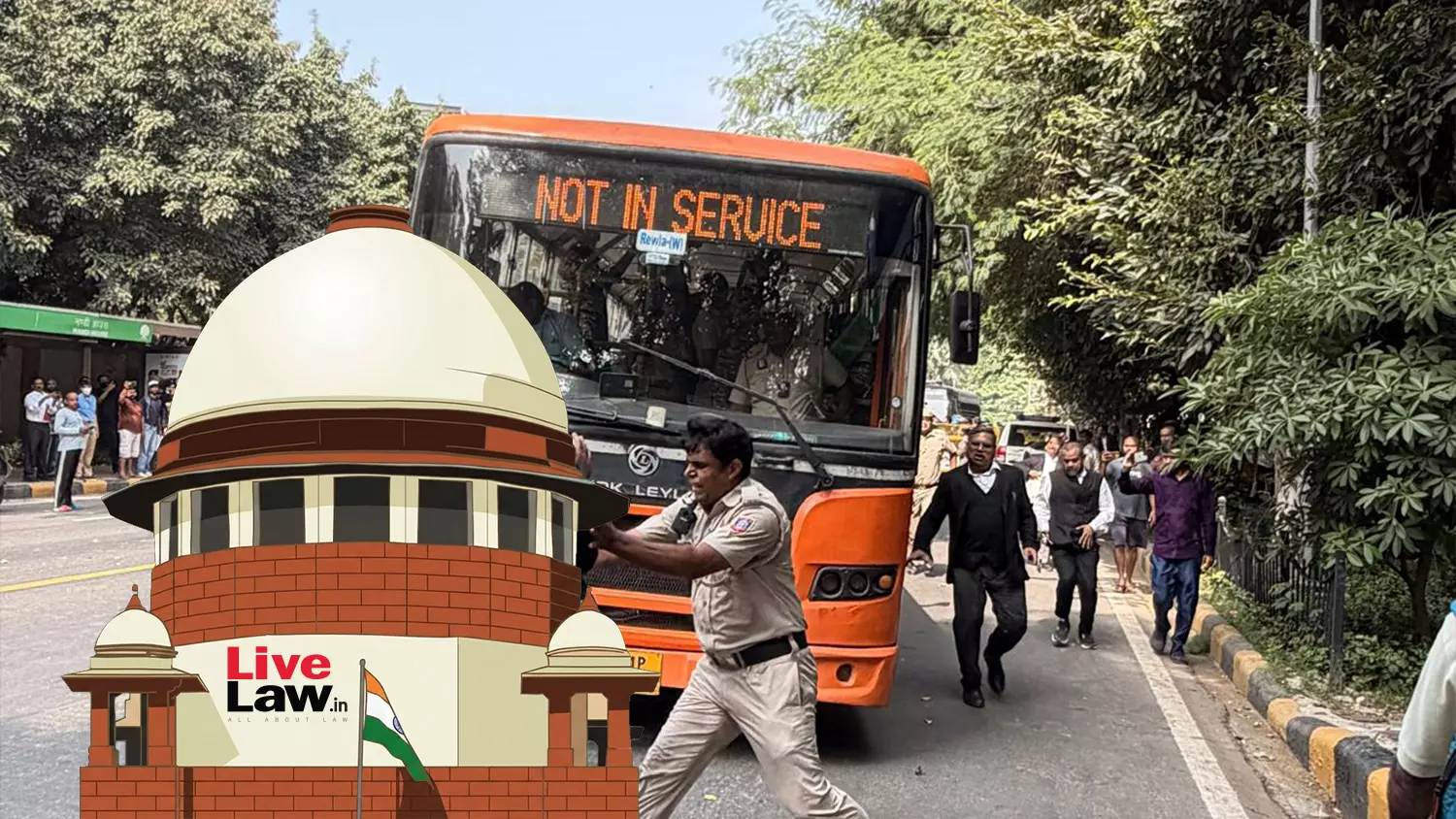
The Supreme Court last month issued an order that limited the government's ability to suspend cellular internet services, deeming a blanket shutdown disproportionate. In response, the Union Home Secretary approached the apex court with an affidavit that argues for a calibrated power to halt internet access during emergencies, citing statutory provisions and the need for public order. The filing underscores the administration's insistence on retaining a tool it views as essential for managing large‑scale unrest.
The request arrives at a moment when civil‑rights organisations and opposition parties are sharpening their scrutiny of executive overreach. Legal scholars contend that the court's earlier restraint was a landmark affirmation of constitutional guarantees, while the government maintains that the digital realm can become a conduit for incitement. The tension between the judiciary's protective stance and the executive's security narrative reflects a broader contest over the limits of state power in a hyper‑connected society.
If the court accedes to the Home Secretary's plea, future protest movements could face pre‑emptive internet blackouts, altering the tactics of activists and the flow of information. Such a precedent may also embolden other ministries to seek similar permissions, potentially chilling online dissent across the nation. The outcome will reverberate through electoral politics, media operations, and the everyday digital experience of millions of Indians.
Comments 0