Delhi Police Enforce Mass Closures and Heavy Security Ahead of Major Protests
Authorities in the national capital have deployed over 25,000 security personnel and ordered the closure of dozens of metro stations to contain anticipated demonstrations. The heavy mobilization aims to preempt civil unrest following strict judicial rulings regarding unauthorized public assemblies.
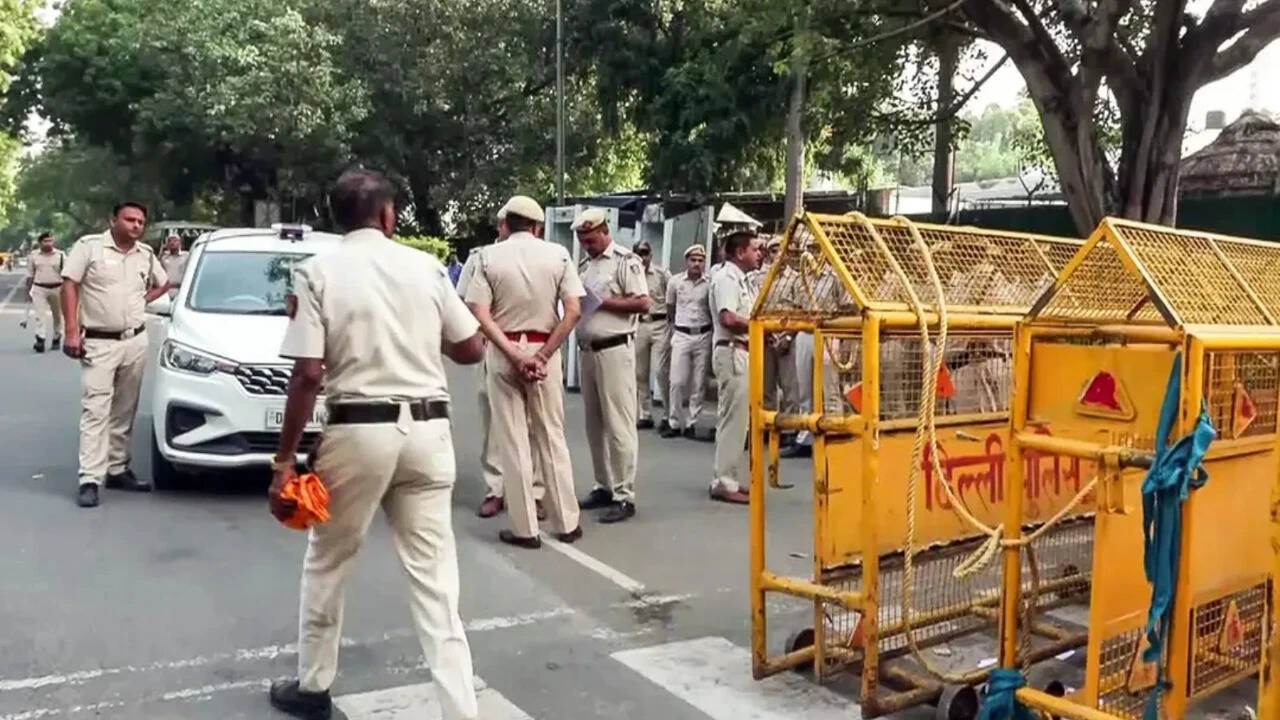
The urban core of Delhi transformed into an armed perimeter as law enforcement agencies executed sweeping logistical shutdowns to manage brewing political demonstrations. With the Supreme Court declaring unauthorized protests unlawful, police leadership mobilized central armed forces across sensitive intersections. Commuters faced severe transit disruptions as authorities shuttered numerous metro stations to curtail the physical assembly of demonstrators heading toward central districts. This aggressive containment strategy exposes deep friction between constitutional rights to free expression and state-administered public order mandates. Civil society organizations condemned the preemptive lockdown as an erosion of democratic liberties, arguing that mass transit suspensions disproportionately punish working-class citizens. Conversely, security officials defended the posture as an unavoidable necessity to prevent property destruction and maintain civil harmony in a densely populated metropolis. Downstream consequences include severe economic slowdowns across retail sectors in central commercial zones alongside heightened political hostility between municipal authorities and activist networks. The operational precedent established here signals a permanent shift toward militarized urban policing during high-stakes political showdowns. Citizens navigating the capital must now anticipate structural restrictions on public movement whenever large-scale political dissent challenges official policy.
Comments 0