Security Lockdown in the Capital as Authorities Shut Dozens of Metro Stations Ahead of Protest
The Delhi Metro Rail Corporation suspended entry and exit operations at fifty-seven stations following strict directives from police leadership. Over twenty-five thousand security personnel deployed across the metropolis to enforce public order against unauthorized demonstrations.
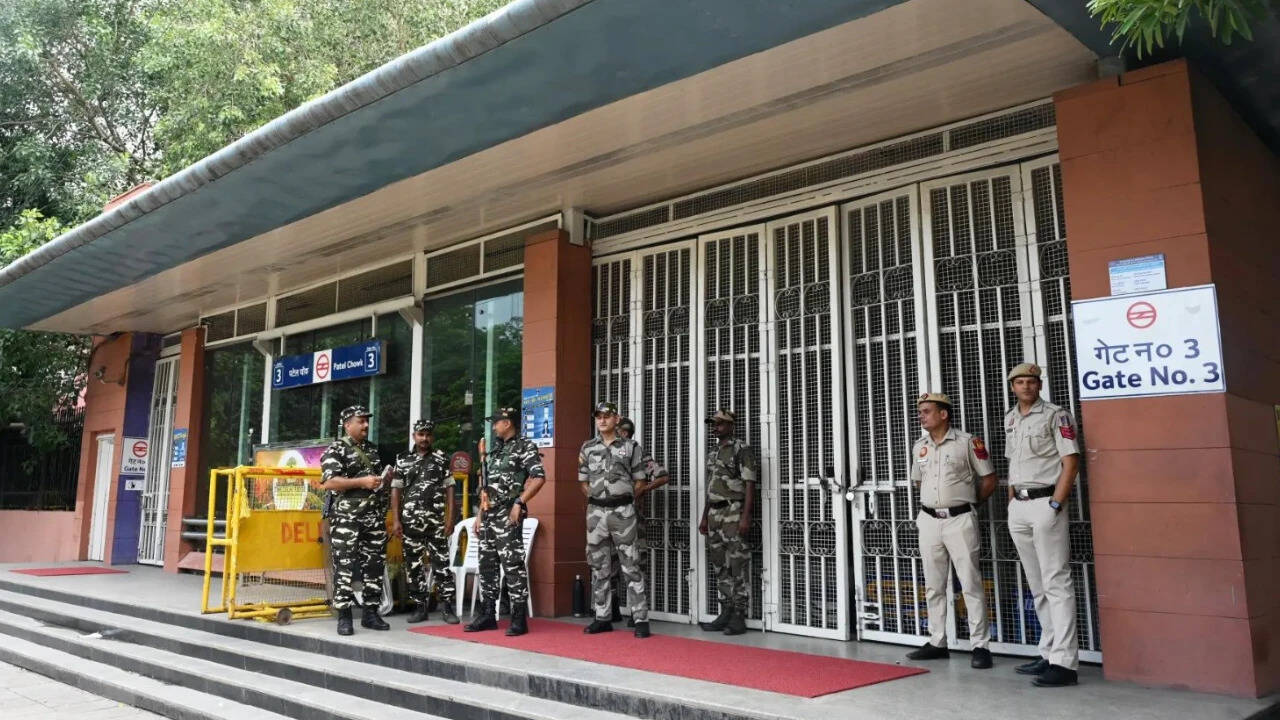
The closure of fifty-seven vital transit hubs across the National Capital Region paralyzed daily commutes for hundreds of thousands of residents. Commuters faced sudden logistical deadlocks as authorities threw an impenetrable security ring around sensitive zones. The abrupt shutdown transformed normal transit corridors into restricted military sectors, leaving workers and students stranded across different quadrants of the city. At the heart of this disruption lay a profound collision between freedom of assembly and state security imperatives. The police commissioner publicly demanded absolute restraint, backed by the mobilization of central paramilitary battalions to preempt any civil unrest. Judicial scrutiny intensified simultaneously, with the Supreme Court observing that street agitations executed without prior legal sanction violate established statutory frameworks. Urban mobility ground to a halt, imposing severe economic friction on local commerce and daily wage earners who rely on uninterrupted transit operations. The aggressive containment strategy signals a hardening approach by administrative bodies toward mass public mobilization. As security forces maintain their high-alert posture, civil society organizations face an increasingly narrow corridor for public dissent within the urban core.
Comments 0