Delhi Pushes Clean‑Air Filtration as a New Standard for Cars
City officials are encouraging automobile manufacturers to equip vehicles with advanced air‑purification systems to combat Delhi's severe pollution. The move is expected to reshape consumer expectations and influence market offerings across India.
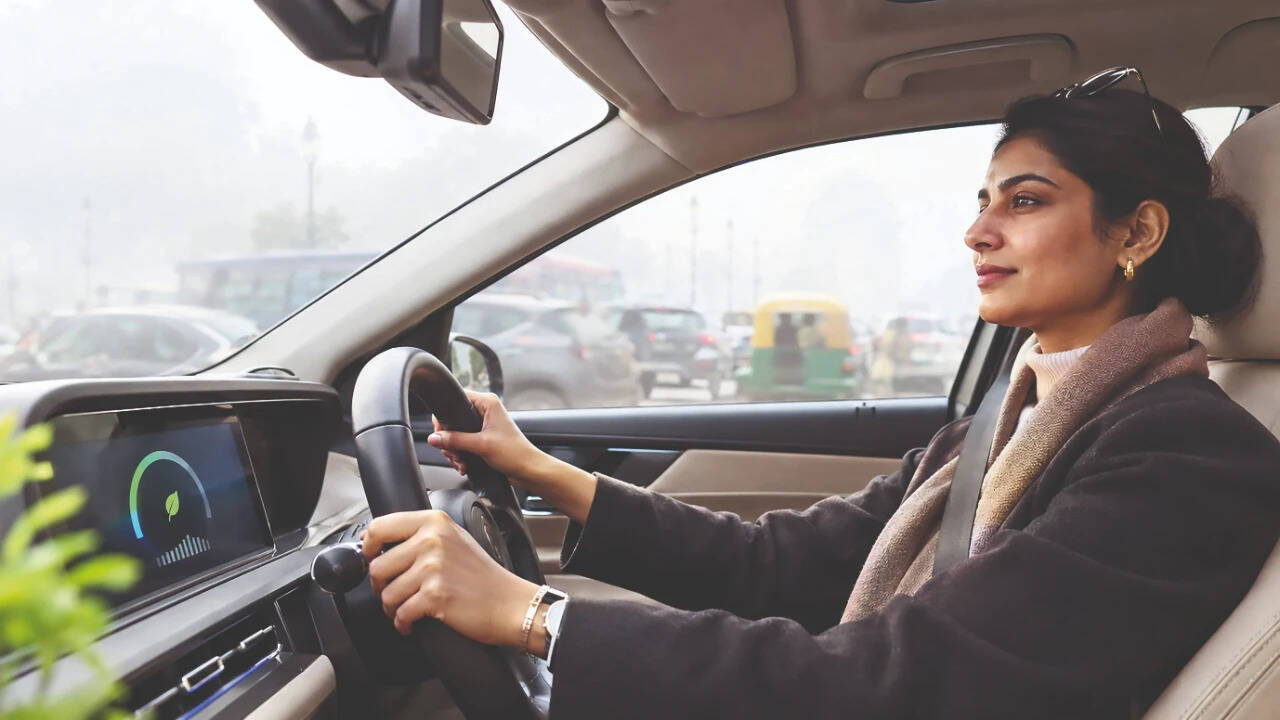
In response to persistent smog and hazardous particulate levels, Delhi's municipal authorities have highlighted clean‑air filtration technology as an essential feature for new cars. The proposal, backed by recent health studies linking vehicle cabin air quality to respiratory ailments, urges manufacturers to integrate high‑efficiency particulate air (HEPA) filters or comparable systems as standard equipment. While not yet mandated by law, the city plans to offer tax incentives to firms that adopt the technology, creating a financial motive for rapid industry uptake.
The automotive sector is weighing the cost implications of retrofitting vehicles with sophisticated filtration units. Some manufacturers argue that the added expense could raise vehicle prices, potentially limiting access for lower‑income buyers. Conversely, consumer advocacy groups contend that the health benefits justify the investment, especially for commuters who spend extensive time in traffic. The city has also launched a public awareness campaign to educate drivers about the advantages of cleaner cabin air, hoping to generate demand-driven pressure on automakers.
Should the initiative gain traction, Delhi could become a testing ground for broader national policies aimed at reducing in‑vehicle pollution exposure. A successful rollout may prompt other Indian metros to adopt similar standards, thereby influencing the country's overall automotive design trends. Over the next year, the market could see a noticeable shift toward vehicles marketed with health‑focused features, reshaping consumer priorities and potentially spurring innovation in filtration technology.
Comments 0