The Met Gala's Pivot: Celebrating the Poetics of the Everyday
The Met Gala 2027's decision to focus on everyday clothing marks a significant shift in the event's narrative, moving away from high fashion to the mundane. This choice reflects a broader cultural trend toward authenticity and a critique of the excesses of the luxury industry, offering a new lens through which to view the relationship between fashion and daily life.
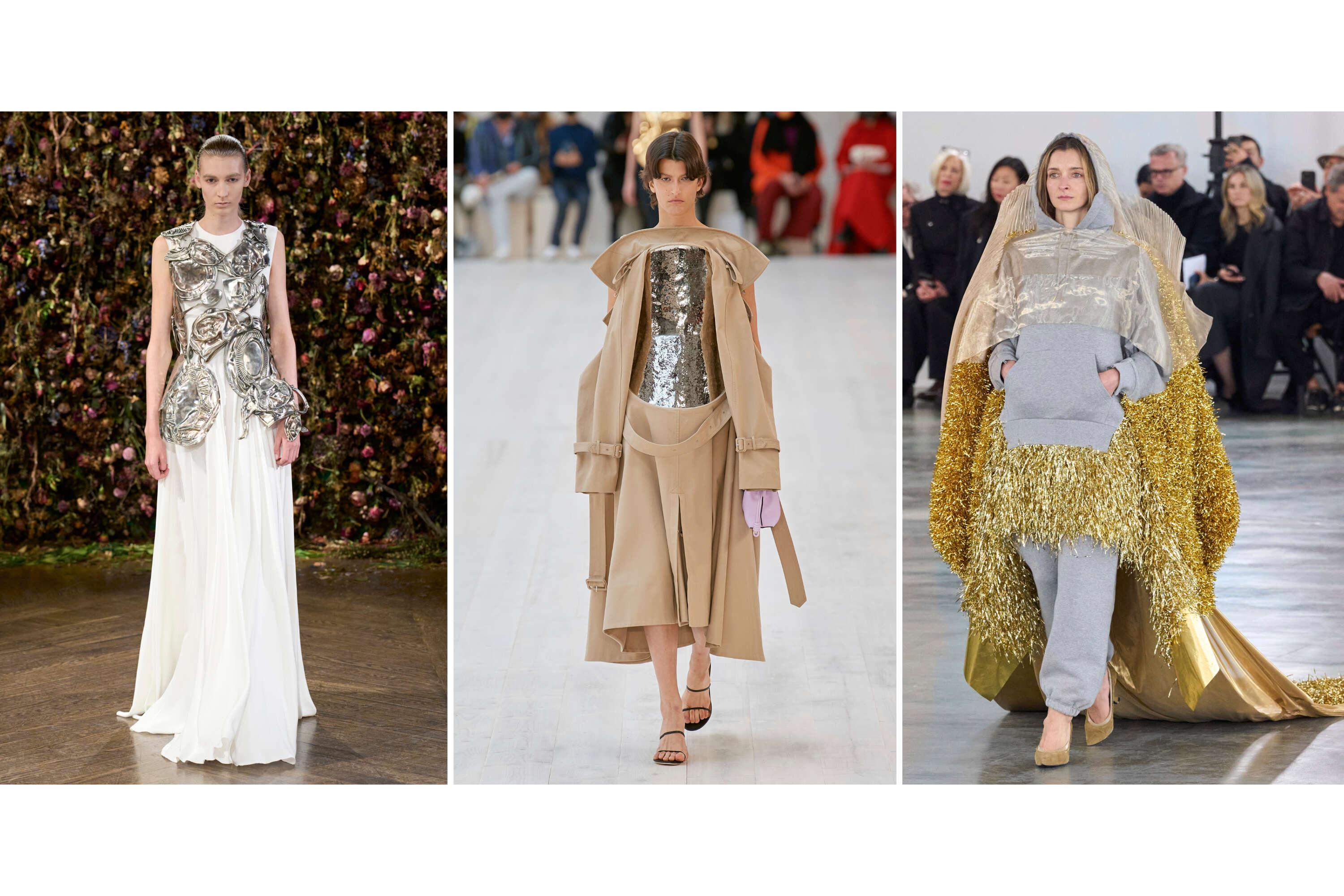
The announcement that the Met Gala 2027 will feature an exhibition titled 'extraORDINARY: Fashion and the Poetics of the Everyday' is a concrete departure from the event's traditional focus on haute couture and celebrity spectacle. This decision signals a desire to reconnect fashion with the lived experience of the average person, highlighting the beauty and significance of the clothes we wear every day. The immediate impact is a redefinition of what constitutes 'fashion' in the public eye, challenging the notion that only the most extravagant and exclusive garments are worthy of attention.
The underlying tension in this pivot is the ongoing debate about the role of fashion in society. For decades, the Met Gala has been a platform for celebrating the pinnacle of the fashion industry, but this new direction suggests a critique of the industry's detachment from reality. Institutional friction is evident in the potential backlash from luxury brands and designers who may feel that their work is being devalued by a focus on the mundane. This shift also reflects a broader cultural movement toward sustainability and ethical consumption, where the value of clothing is measured not by its price tag but by its impact on the wearer and the environment.
The downstream consequences of this change are likely to be felt in the fashion industry itself, as designers and brands may need to rethink their marketing strategies to align with this new narrative. For consumers, the exhibition offers an opportunity to see their own wardrobes in a new light, potentially inspiring a greater appreciation for the clothes they already own. The long-term outcome is a more inclusive and accessible fashion culture, where the boundary between high fashion and everyday wear is blurred, and the value of clothing is determined by its ability to enhance the quality of life.
Comments 0