Delhi Trade Body's Ultimatum: Rahul Gandhi's Rally Faces Economic Hurdles
The Delhi Chamber of Trade and Industry has issued a conditional offer to Rahul Gandhi, demanding assurances that his November 1 rally will not disrupt business. This move signals a strategic alignment of economic interests with political opposition, potentially influencing the rally's scale and impact.
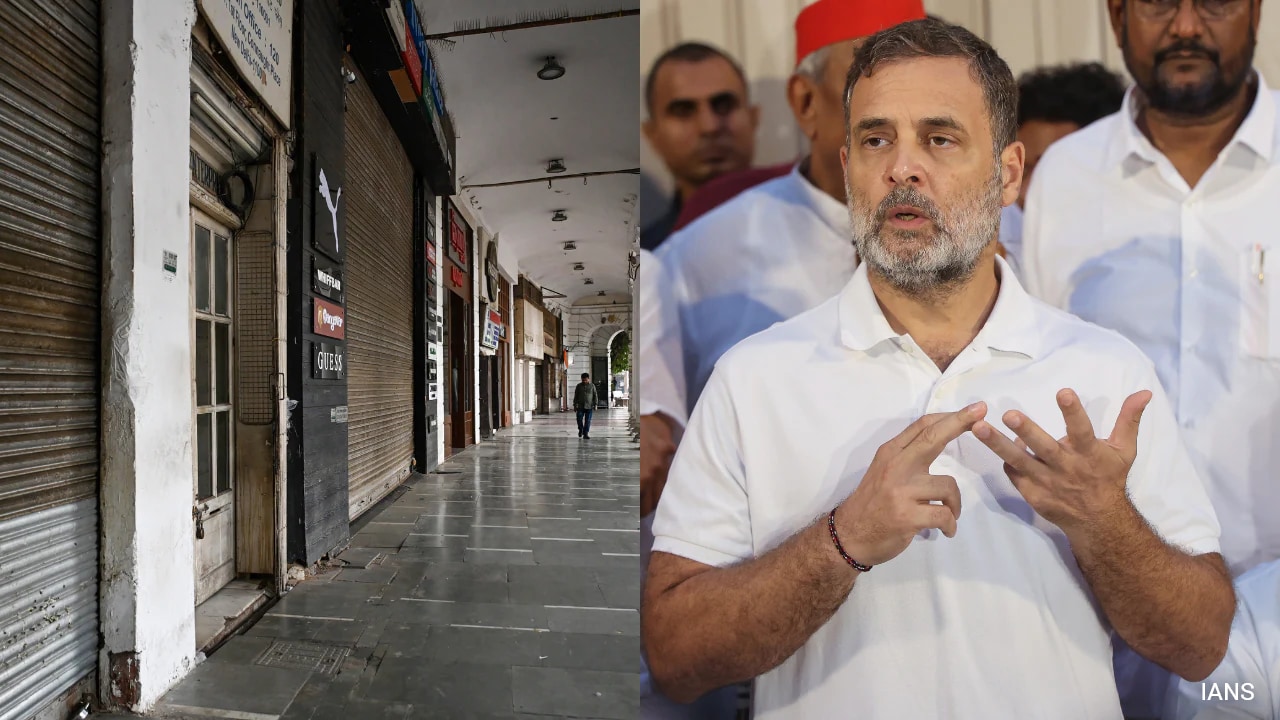
The concrete rupture is the explicit political-economic intervention by the Delhi Chamber of Trade and Industry. The body has proposed a meeting with 20 traders for 20 minutes, contingent on Rahul Gandhi convincing them that his planned November 1 rally will benefit, rather than harm, their businesses. This is a rare instance where a major trade body directly engages with a political leader to condition its support, highlighting the growing influence of economic stakeholders in political discourse.
The underlying tension is the conflict between political mobilization and economic stability. The trade body's stance reflects a fear that large-scale political gatherings can disrupt supply chains, reduce consumer footfall, and create an atmosphere of uncertainty that deters investment. The friction is between the political need for mass mobilization and the economic need for predictability, a balance that is increasingly difficult to maintain in a competitive global market.
The downstream casualties are the small and medium enterprises that rely on stable market conditions, and the political opposition, which may find its mobilization efforts constrained by economic realities. The tangible outcome is a potential shift in the strategy of political rallies, with greater emphasis on minimizing economic disruption. This incident also underscores the growing power of trade bodies to influence political outcomes, a trend that could reshape the dynamics of urban politics in India.
Comments 0