Delhi Transport Paralysis Deepens as Strike Enters Fourth Consequential Day
Over three thousand public buses remain off the roads in Delhi, leaving hundreds of thousands of daily commuters stranded across the metropolis. The ongoing disruption exposes deep vulnerabilities in municipal transit management and workers compensation frameworks.
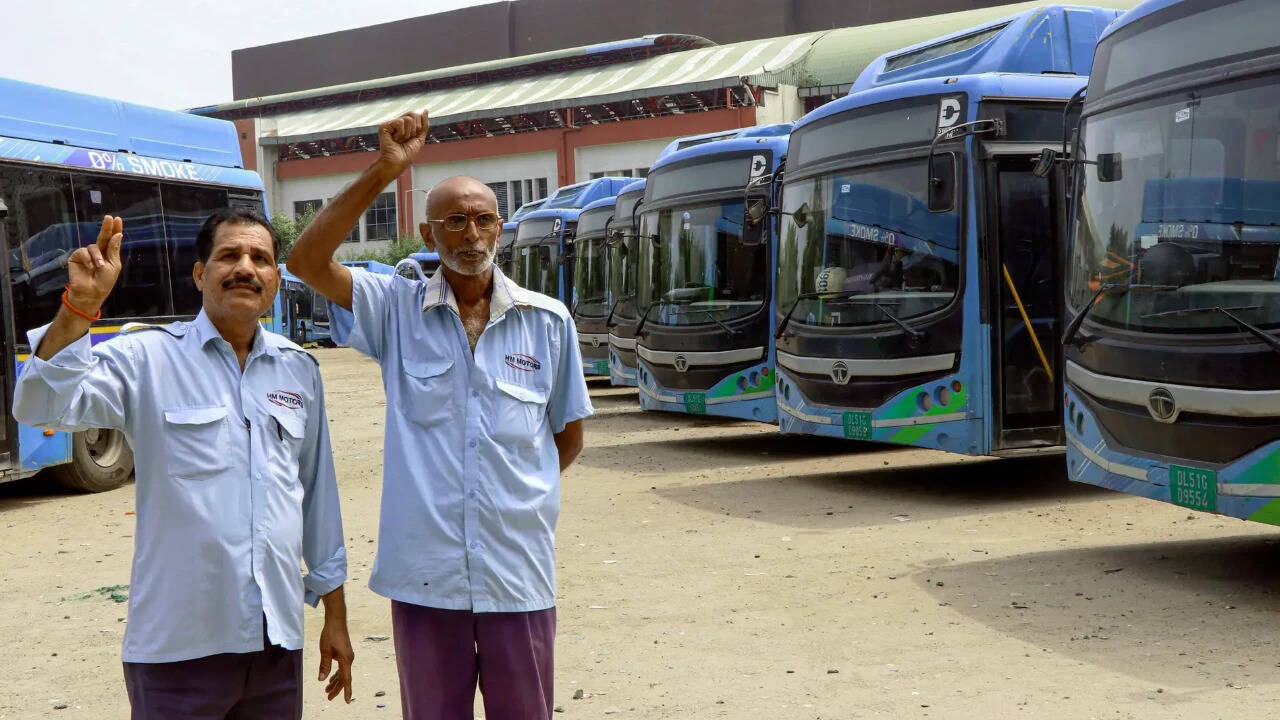
The transportation artery of the national capital suffered a severe blockage as the Delhi Transport Corporation strike entered its fourth consecutive day. With more than three thousand vehicles immobilized in depots, the morning commute transformed into a chaotic struggle for millions of residents dependent on public transit. Improvised alternatives, from overcrowded metro carriages to exorbitant auto-rickshaws, absorbed the overflow, placing an immediate financial toll on wage earners. At the heart of the crisis lies a festering dispute concerning wage stagnation, delayed pension disbursements, and unresolved contractual grievances between transport unions and administrative authorities. Municipal officials have struggled to establish an effective mediation channel, paralyzed by bureaucratic inertia and competing jurisdictional claims. The strike highlights the fragility of essential urban infrastructure when labor grievances are allowed to fester without preemptive institutional intervention. As the shutdown continues, the immediate casualties are daily wage laborers and low-income office workers who bear the brunt of inflated transport costs and lost productivity. The long-term outcome points toward an inevitable restructuring of municipal labor agreements, likely accompanied by accelerated privatization initiatives to insulate the transit network from similar union-led paralysis in the future.
Comments 0