Gridlock Paralyzes Bengaluru Thoroughfares as Students Miss Critical Examinations
Severe urban congestion in Karnataka trapped children taking board examinations in vehicles for over two hours across a four-kilometer stretch. The transit breakdown exposed the fragility of municipal infrastructure in India's leading technology hub.
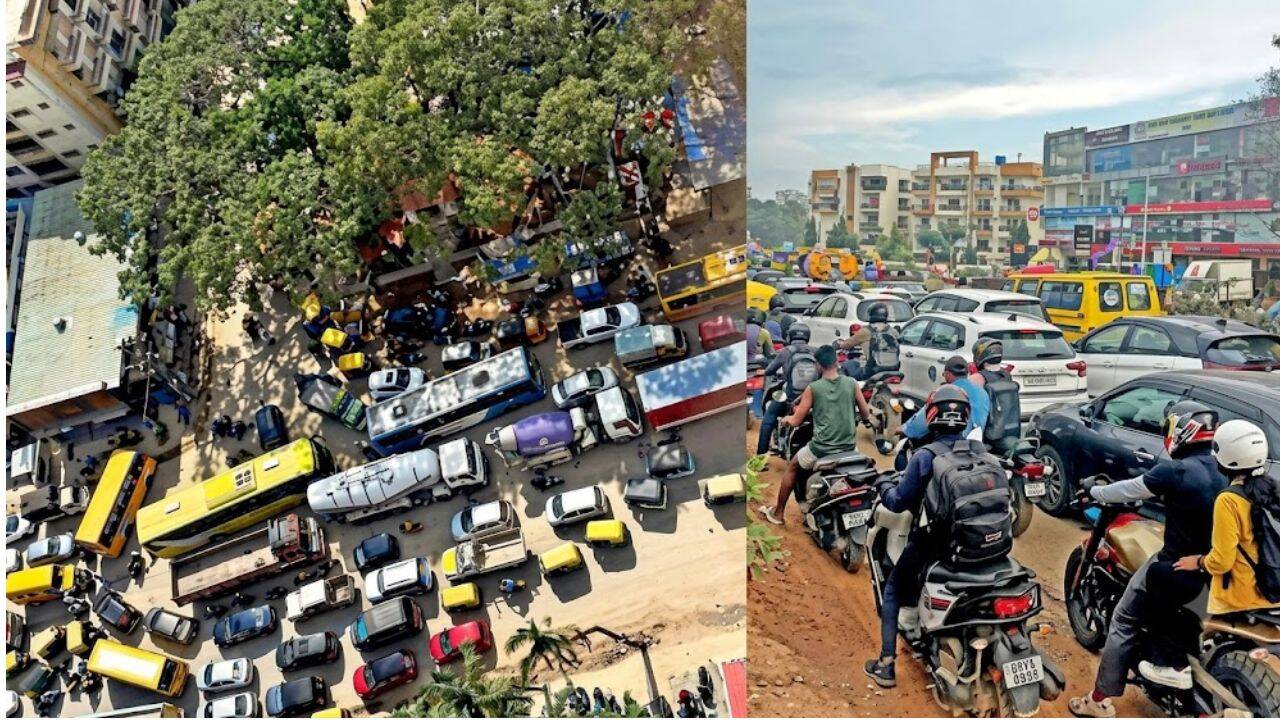
Morning commuters in Bengaluru experienced an extraordinary breakdown in municipal traffic management when a combination of localized bottlenecks and unmanaged arterial volume brought commercial corridors to a complete standstill. Families transporting school children to academic assessments found themselves stranded for hours over negligible distances, transforming routine journeys into agonizing ordeals. The paralysis highlighted the widening chasm between the rapid commercial expansion of the metropolis and the capacity of its ageing road networks. Municipal planners and local authorities have repeatedly blamed exponential vehicular growth and unplanned real estate development for the systemic failures choking the city. Yet critics point to chronic underinvestment in public mass transit integration and a total absence of intelligent corridor management during peak academic hours. The tension between commercial ambition and basic civic livability has reached a boiling point, leaving residents to navigate daily infrastructure deficits with negligible official recourse. Families whose children missed board examination windows bore the immediate personal cost of this bureaucratic failure, suffering irreversible academic setbacks due to municipal dysfunction. Real estate values and corporate productivity in affected tech corridors are beginning to reflect the toll of chronic gridlock, prompting multinational employers to rethink expansion plans in the region.
Comments 0